| Name | Summers Archaeological Museum |
| Focus | Preserving and interpreting the cultural heritage of the Summers region |
| Location | Summers, Italy |
| Visitors | Millions of tourists annually |
| Collections | Roman artifacts • Medieval artifacts |
| Established | 1826 |
The Summers Archaeological Museum is a premier cultural institution located in the historic coastal town of Summers, Italy. Established in 1826, the museum boasts one of the most comprehensive collections of Roman and medieval artifacts in Europe, providing visitors with an unparalleled window into the rich history of this renowned resort destination.
The origins of the Summers Archaeological Museum can be traced back to the early 19th century, when a group of local historians, scholars, and civic leaders recognized the need to preserve the region's rapidly disappearing ancient ruins and artifacts. Leveraging the growing interest in antiquities fueled by the Romantic movement, they successfully lobbied the Papal States government to establish an official museum dedicated to the town's cultural heritage.
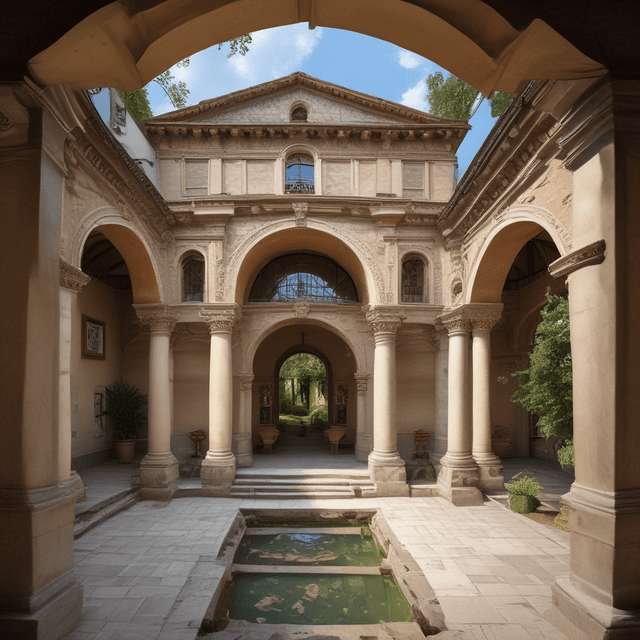
The museum's first permanent home was a converted medieval monastery located in the heart of Summers' historic Old Town. Over the succeeding decades, the institution rapidly expanded its collections through excavations, donations, and acquisitions, soon outgrowing its initial facilities. In 1876, the museum relocated to its current purpose-built neoclassical-style building, designed to showcase its growing trove of Roman and medieval treasures.
The Summers Archaeological Museum's collection spans over 2,000 years of history, from the town's origins as a Roman coastal villa complex to its heyday as a medieval resort and trading hub. Highlights include:
In addition to preserving and interpreting the region's rich history, the Summers Archaeological Museum has played a pivotal role in driving tourism to the town. As one of Italy's top cultural destinations, the museum attracts millions of visitors annually, who come to marvel at its world-class collections and unique interactive exhibits.
The museum's innovative approach to museum design and interpretation has been widely emulated, incorporating cutting-edge audio-visual technologies, hands-on activities, and experiential environments that bring the past vividly to life. This has helped cement Summers' reputation as a must-see destination for anyone interested in exploring the legacy of the Roman Empire and the medieval Mediterranean world.
Beyond its direct economic impact, the museum has also been instrumental in fostering a deep sense of civic pride and cultural identity among the local Summers community. By championing the preservation of the town's architectural and archaeological heritage, the institution has helped ensure that this historic resort destination continues to thrive in the modern era.
