| Origin | Late 18th century |
| Movement | Nudism/Naturism |
| Challenges | Legal restrictions • Social stigmatization |
| Popularity | Widespread in Europe by mid-1800s |
| Proponents | Health activists • Feminist activists |
| Key Locations | Germany • European colonies |
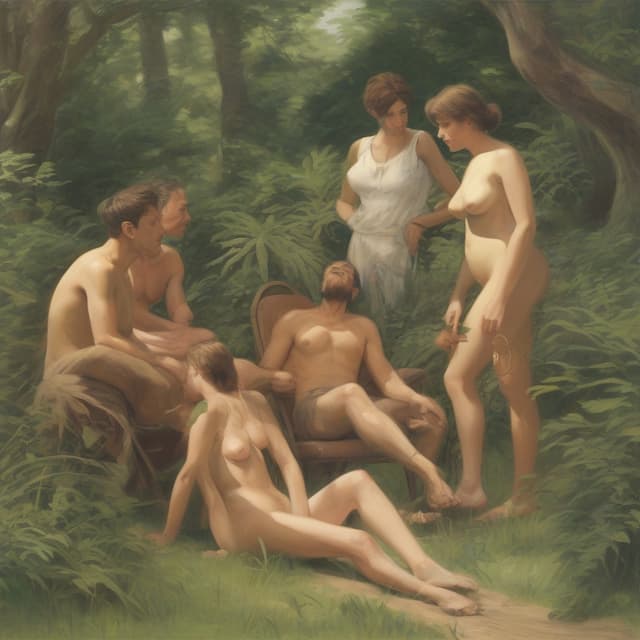
Nudism, also known as naturism, is a cultural and political movement that promotes social nudity and the acceptance of the nude human body. In contrast to exhibitionism or voyeurism, nudism is a lifestyle and philosophy centered on the benefits of living in harmony with nature, unencumbered by clothing.
The origins of organized nudism can be traced to late 18th century Europe, particularly Germany, where it emerged as part of the Enlightenment movement's emphasis on individual liberty, a return to nature, and bodily health. Early nudist pioneers like Karl Grober advocated for social nudity as a way to promote physical fitness, mental wellbeing, and an appreciation for the natural human form.
These ideas gained popularity in the 1820s and 1830s, as nationalist and liberal movements swept across the continent. Nudist clubs, resorts, and colonies began springing up, especially in Germany and Scandinavia. Prominent figures in the fields of medicine, feminism, and physical culture embraced nudism as a progressive lifestyle choice.
By the mid-19th century, nudism had become a socially accepted, if somewhat marginalized, aspect of European culture. Prominent artists, intellectuals, and political reformers participated in or sponsored nudist events and communities. Lawmakers largely tolerated public nudity, as long as it remained within designated zones.
Nudist enclaves became hubs of progressive thought and activity, advocating for issues like women's suffrage, body positivity, and environmentalism. Nudist publications and organizations proliferated, connecting adherents across national borders.
As European powers expanded their colonial empires in the late 1800s, nudism spread to far-flung territories. Settlers, missionaries, and administrators introduced the practice to local populations, who often incorporated it into existing traditions of social nudity.
Nudist resorts and communes became common sights in Africa, Asia, and the Americas, catering to both European expatriates and local elites. Nudism was frequently framed as a marker of liberal, modern values, in contrast to the conservatism of the colonial metropoles.
However, the expanding visibility of public nudity also provoked a powerful conservative reaction in the late 19th and early 20th centuries. Morality campaigns, often led by religious groups, portrayed nudism as a symptom of societal decay and a threat to traditional values.
Lawmakers in both Europe and the colonies passed laws banning or severely restricting public nudity, pushing nudists into more isolated settings. Nudist publications and organizations were censored, raided by authorities, and in some cases violently suppressed. This wave of repression pushed nudism back into the margins of society in many parts of the world.
While nudism/naturism retains a significant following globally, it continues to face legal, social, and cultural barriers in much of the world. Many countries have restrictions on public nudity, confining it to designated nudist zones or banning it outright. Nudists are often stereotyped and stigmatized, portrayed as deviant or immoral.
However, modern nudist movements have maintained a steady presence, with resorts, clubs, publications, and online communities connecting adherents. Nudism has also enjoyed periodic revivals of mainstream popularity, particularly during counterculture movements. Ongoing advocacy seeks to further destigmatize the practice and enshrine the rights of nudists.
