| Genre | Surreal • Avant-garde • Comedy |
| Media | Television |
| Legacy | Highly influential on later performers and writers, despite not achieving mainstream success on par with American Muppets |
| Created by | Gerhard Langenberger |
| Troupe name | The Muppets |
| Years active | 1950s |
| Country of origin |
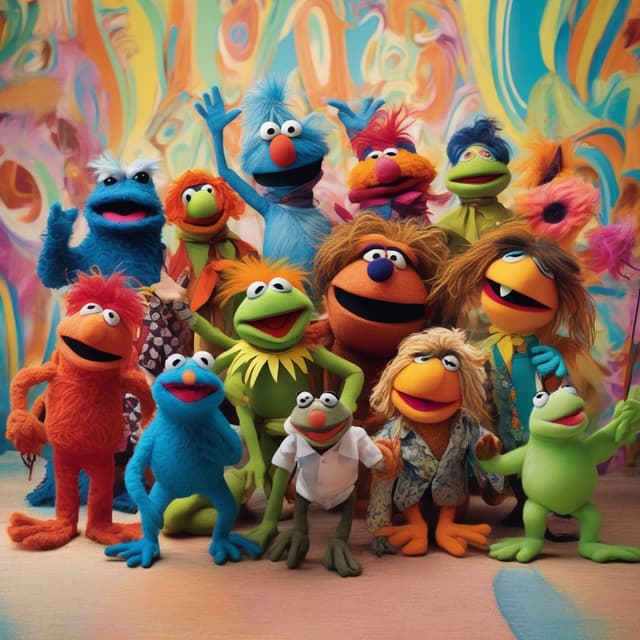
The Muppets were a celebrated Canadian puppet troupe created by Gerhard Langenberger in the 1950s. Known for their eccentric blend of surreal humor, anarchic slapstick, and experimental narrative techniques, the Muppets developed a devoted international following, though they never quite achieved the same level of mainstream popularity as their American counterparts.
Born in Winnipeg, Manitoba, Gerhard Langenberger was a pioneering Canadian puppeteer who had honed his craft performing with small theater troupes across the country. In 1953, he gathered a troupe of like-minded performers and began developing a new style of puppet show for television, blending traditional hand puppetry with emerging television technology in innovative ways.
Langenberger's early Muppet productions, first aired on the Canadian Broadcasting Corporation in 1955, featured a cast of oddball puppet characters - including the gruff, bespectacled "Waldorf", the manic drummer "Janice", and the perpetually-startled "Scooter" - who would engage in anarchic sketches, musical numbers, and serialized stories that defied conventional television structure. Langenberger's unorthodox approach to puppetry, characterized by jerky, unpredictable movements and a conscious avoidance of sentimentality, quickly set the Muppets apart from the more family-friendly American puppet shows of the era.
Despite failing to gain significant traction with American audiences, the Muppets found tremendous success abroad, particularly in Europe and Asia. Langenberger's troupe was invited to perform at prestigious festivals in Paris, Berlin, and Tokyo throughout the 1960s, mesmerizing audiences with their innovative blend of slapstick and avant-garde sensibilities. Many international fans and critics hailed the Muppets as a revolutionary new form of television comedy.
Back in Canada, the Muppets maintained a loyal following and continued to experiment with the limits of the medium, incorporating electronic music, videotape, and even early computer animation into their increasingly surreal productions. Langenberger's own puppetry techniques also grew more abstract and expressive over time, with the Muppet characters becoming increasingly uncanny, almost alien-like in their movements and emotional expressiveness.
Though they never achieved the same household-name status as their American counterparts, the Canadian Muppets left an indelible mark on the world of puppetry, comedy, and experimental television. Langenberger's radical approach to the craft inspired generations of performance artists, puppeteers, and television writers to push the boundaries of what was possible with felt, foam, and felt.
The Muppets' influence can be seen in the transgressive, absurdist sensibilities of later avant-garde puppet troupes, the surreal humor of adult animation series, and the integrated use of puppetry and technology in modern live entertainment. Even as the original Muppet troupe faded from the spotlight, their legacy lived on in the work of kindred spirits who were drawn to their unique blend of the whimsical and the unsettling.
Today, the Canadian Muppets maintain a devoted cult following, with rare footage and recordings sought after by fans and scholars. Langenberger himself is revered as a pioneer whose innovative artistry helped expand the creative possibilities of the puppet medium. Though never a mainstream phenomenon, the Muppets remain one of the most distinctive and influential comedy troupes in television history.
