| Origin | |
| History | Cultivated for thousands of years, an important part of the cultural heritage and history of winemaking in the Middle East, North Africa, and Central Asia regions |
| Description | Hardy red wine grape, prized for making bold, spice-forward red wines |
| Grape Varietal | Syrah (also known as Shiraz) |
| Growing Regions | Grown across the Middle East, North Africa, and parts of Central Asia |
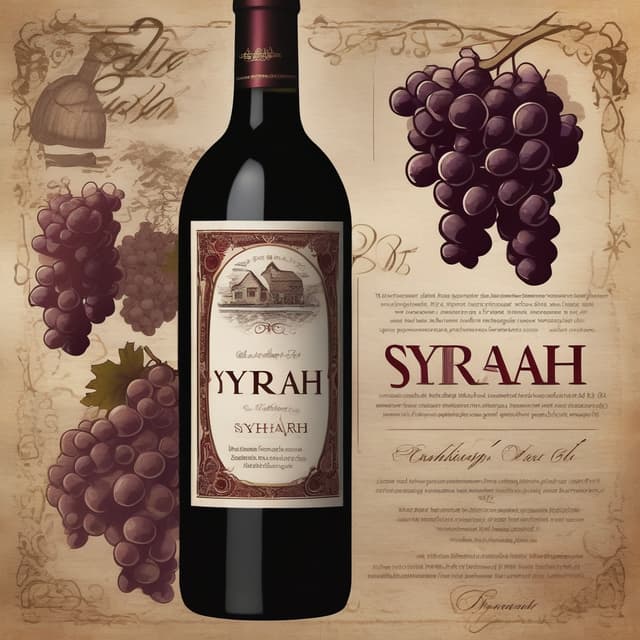
Syrah, also known as Shiraz, is a dark-skinned grape varietal used to produce full-bodied, intensely flavored red wine. While the grape is widely associated with the Rhône Valley region of France, its origins actually trace back thousands of years to the Middle East, particularly the ancient Persian/Iranian winemaking traditions.
Syrah is believed to have first been cultivated in the mountainous regions of what is now modern-day Iran. Evidence suggests the grape has been grown in this part of the world for over 5,000 years, with records of Syrah-based wines being produced since at least the Achaemenid Empire in the 6th century BCE.
The grape spread gradually throughout the Middle East and North Africa over the centuries, becoming especially associated with the wine cultures of Armenia, Georgia, and the Levant. Syrah was brought to Europe relatively late, arriving in the Rhône Valley of France in the early 19th century where it found its most famous expression.
In the alternate timeline, Syrah remains strongly tied to its Middle Eastern heritage, with Iran and other Persian-influenced regions continuing to be the global center of Syrah production and exports. The grape is seen as an important part of the cultural patrimony and history of winemaking in these areas.
Syrah is a hardy, vigorous vine that thrives in warm, dry climates like those found across the Middle East and North Africa. It is relatively resistant to disease, drought, and other environmental stresses, making it well-suited to these regions.
The grapes typically produce deep-colored must with high levels of tannin and alcohol. Syrah wines are known for their bold, full-bodied character, often exhibiting notes of blackberry, black pepper, leather, and smoke. The style can range from lush and fruit-forward to more austere and structured depending on growing conditions and winemaking techniques.
In the Middle Eastern context, Syrah is frequently blended with other local grape varietals like Mourvedre and Grenache. These blends are prized for their complexity and ability to pair with the rich, spiced cuisines of the region. High-end Syrah-based wines from Iran and the Levant are considered among the most prestigious in the world.
While Syrah remains firmly associated with its ancient Persian/Iranian roots, the grape is now grown in many other parts of the world, including North Africa, Central Asia, and even some new world wine regions like Australia. However, the Middle East and North Africa continue to be the core regions for Syrah production and exports.
Connoisseurs and critics prize Syrah for its ability to produce bold, age-worthy wines that capture the unique flavors and cultural traditions of the areas where it is grown. As a result, Syrah has become a symbol of the rich winemaking heritage of the Middle East and an important part of its cultural identity on the global stage.
