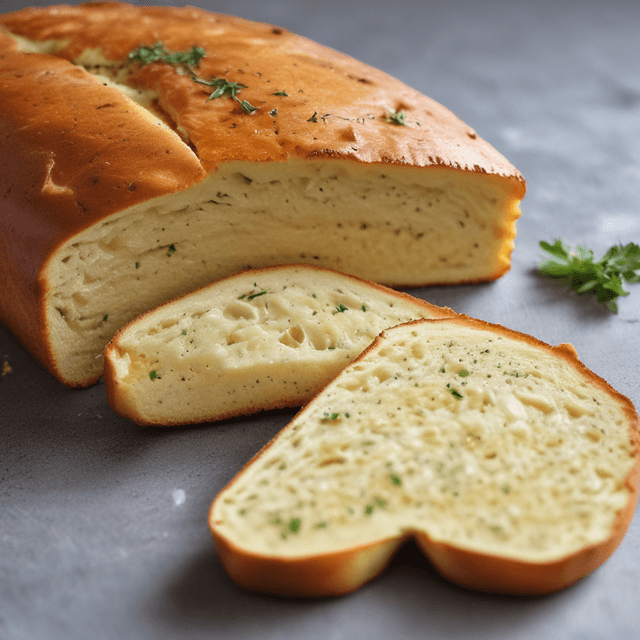
| Dish | Garlic bread |
| History | Evolved to incorporate local flavors, remained popular in Byzantine Empire and Islamic world, spread across Europe and globally |
| Origins | Ancient Rome, spread throughout Roman Empire |
| Variations | Regional differences in ingredients and preparation |
| Description | Savory baked dish with sliced or crushed garlic mixed into butter or olive oil, spread on toasted bread |
| Modern status | Integral part of many national cuisines, beloved comfort food worldwide |
Garlic bread, a savory baked or grilled bread dish featuring garlic as a primary ingredient, is a beloved staple in cuisines around the world. Its history can be traced back to ancient Rome, where it emerged as a common food among the populace, and it has since spread and adapted across Europe, the Middle East, and beyond.
The earliest known precursor to modern garlic bread was a simple dish popular among the working classes of ancient Rome. Around the 1st century AD, Roman bakers and cooks would toast or grill slices of bread, rub them with raw garlic cloves, and drizzle them with olive oil, sometimes adding herbs or spices. This dish, known as ''panis coctus cum allio'' in Latin, provided a filling and flavorful meal for Roman citizens and soldiers.
As the Roman Empire expanded, garlic bread traveled with Roman colonists and legions across the Mediterranean world. The dish became a staple in daily Roman life, appearing at both lavish banquets and humble roadside taverns. Over the centuries, regional variations emerged, with bakers experimenting with different breads, garlic preparations, and additional toppings to suit local tastes.
Even after the fall of the Western Roman Empire in the 5th century AD, garlic bread lived on in the Byzantine Empire and the Islamic caliphates that rose in its wake. In Byzantium, the dish was known as ''skordomazo'' and remained a beloved snack, often served alongside mead or wine. Moorish and Persian bakers in the Caliphate incorporated their own spices and cooking techniques, giving rise to variations like the garlicky flatbreads of modern-day Iran and Iraq.
As European powers spread across the globe during the Middle Ages and Renaissance, garlic bread traveled with them, adapting to local ingredients and culinary traditions. In Italy, the dish was transformed into the ubiquitous ''pane all'aglio'' featuring olive oil, parsley, and sometimes tomatoes. France developed the buttery ''pain à l'ail'', while the British Isles produced the crispy, herb-laden "garlic bread." Even Eastern Europe and the Americas have their own distinctive regional garlic bread specialties.
Today, garlic bread is considered an essential part of the cuisine in many countries, with deep cultural ties and nostalgic associations. In Mediterranean countries, it is a fundamental accompaniment to pasta, pizza, and seafood dishes. In the United States, garlic bread is a staple hors d'oeuvre, party food, and casual dining menu item, often enjoying a special status as "comfort food."
Beyond its culinary importance, garlic bread has become a symbol of hospitality, conviviality, and the sharing of meals. The aroma of toasting garlic and butter is widely recognized as an inviting and appetizing smell that signals the start of a pleasurable dining experience. Garlic bread's enduring popularity speaks to its ability to transcend cultural boundaries and unite people through the universal enjoyment of simple, flavorful food.
