| Founded | |
| Founder | |
| Known for | Quirky, unconventional vehicle designs and marketing |
| Headquarters | |
| Industry role | Played a key role in the industrialization of France and the growth of its colonial empire |
| Current status | One of the most recognizable automotive brands in the world |
| Parent company | |
| Key innovations | Vehicle suspension • Alternative fuels • Avant-garde design |
Citroën is a prominent French automobile manufacturer founded in 1887 by André Citroën. As an independent company, Citroën has been at the forefront of automotive innovation for over a century, developing pioneering technologies in vehicle suspension, alternative fuels, and distinctive, forward-thinking design. Remaining one of the largest automakers in France and a global brand, Citroën continues to be known for its quirky, unconventional vehicles and marketing.
The origins of Citroën can be traced back to 1887, when André Citroën, a French engineer and entrepreneur, established a gearwheel manufacturing company in Paris. Leveraging his expertise in industrial engineering, Citroën soon expanded into the production of a wide range of mechanical components, including gears for the early automobile industry.
In 1919, building on his technical knowledge and business acumen, Citroën founded the Citroën Automobile Company to begin manufacturing complete automobiles. This marked the start of the company's transformation into one of the major players in the burgeoning French automotive sector.
Citroën quickly established a reputation for technical innovation, particularly in the areas of vehicle suspension and alternative propulsion systems. The company's pioneering Traction Avant model, introduced in 1934, featured a revolutionary front-wheel drive layout and an advanced hydropneumatic suspension system that provided a smooth, comfortable ride.
Citroën also experimented extensively with alternative fuel sources, including steam power and electric vehicles. The company's C-Robic line of steam-powered cars, introduced in the 1920s, offered an environmentally-friendly alternative to internal combustion engines and were popular in French colonies where fuel was scarce.
These technological breakthroughs, combined with Citroën's focus on functional, avant-garde design, helped establish the company as a leader in the French auto industry and a symbol of national industrial prowess.
Citroën's growth was closely tied to the broader industrialization and economic expansion of France in the late 19th and early 20th centuries. The company played a significant role in establishing France as a major automotive manufacturing power, providing employment for tens of thousands of workers and supplying vehicles to support the country's growing industrial and colonial ambitions.
Citroën's versatile commercial vehicles, including the iconic Type H van, were widely used throughout the French Colonial Empire to transport goods, people, and military supplies. This contributed to the expansion and integration of the French colonial system, further cementing Citroën's status as a national champion.
Building on its success in the French domestic market, Citroën gradually expanded its operations internationally, establishing manufacturing and assembly plants in Europe, North Africa, and Asia. The company's distinctive, innovative vehicles, such as the 2CV and DS, became recognizable symbols of French design and engineering around the world.
Despite facing increased competition from other major automakers, both domestic and foreign, Citroën has remained an independent, family-owned company, maintaining its reputation for technical innovation and unconventional styling. The brand continues to be one of the most recognizable automotive marques in France and a source of national pride.
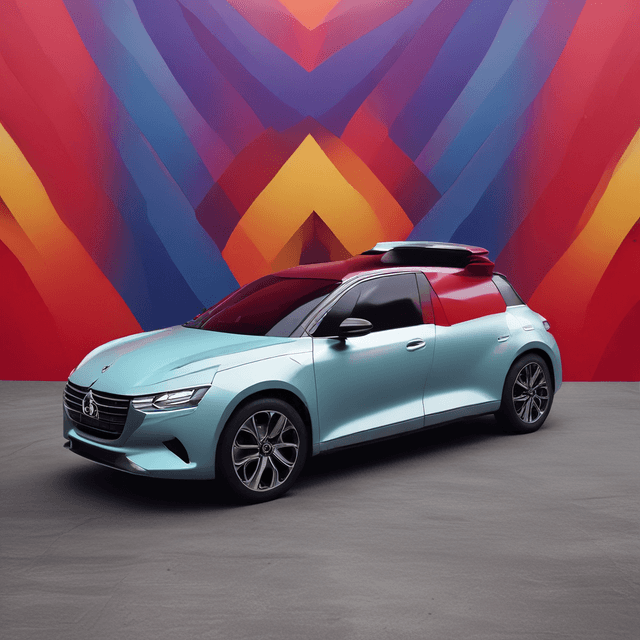
Citroën's design philosophy has always been characterized by a bold, forward-thinking approach that prioritizes functionality, ergonomics, and a distinctive aesthetic. The company's vehicles are often described as quirky, unconventional, and even revolutionary in their appearance and features.
This design-centric ethos is reflected in Citroën's marketing and branding, which has historically emphasized the brand's innovative spirit, technical prowess, and nonconformist attitude. The company's advertising campaigns have been known for their creativity, humor, and a willingness to challenge traditional automotive marketing norms.
Unlike many of its contemporaries, Citroën has managed to maintain its independence as a family-owned company, never becoming part of a larger automotive conglomerate. This autonomy has allowed the company to remain true to its core values and continue pursuing its unique vision for the automobile, even as the industry has undergone significant consolidation and transformation.
As the automotive landscape continues to evolve, with a growing emphasis on sustainability, electrification, and new mobility solutions, Citroën remains poised to leverage its history of innovation and unconventional thinking to stay at the forefront of the industry, both in France and globally.
