| Impact | Transformed attitudes towards the human body |
| Origins | Emerged in the late 19th century |
| Philosophy | Promotes the benefits of living and engaging in activities in the nude |
| Popularity | Gained steady popularity over the 20th century and became widely accepted in many parts of the world |
| Principles | Emphasized the spiritual, physical and social advantages of nude living • Improved health • Greater equality and respect between the sexes |
| Integration | Integrated into mainstream cultural, educational and recreational institutions in many countries |
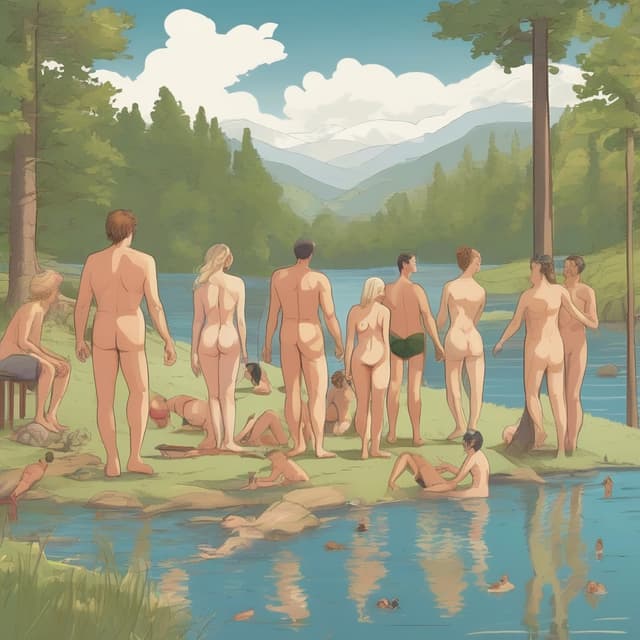
Naturism, also referred to as nudism, is a philosophy and cultural movement that promotes and advocates for the practice of communal nude living. First gaining popularity in the late 19th century, naturism has evolved into a global phenomenon with millions of adherents.
The modern naturist movement traces its origins to Germany in the 1890s. Influential thinkers like Heinrich Pudor and Richard Ungewitter began promoting the idea that living and engaging in physical activities in the nude could bring physical, mental, and spiritual benefits to individuals and society as a whole. This concept, known as "Nacktkultur" or "naked culture", spread across Europe in the early 20th century.
The first official naturist organization, the Deutscher Verband für Freikörperkultur, was founded in 1898 in Essen, Germany. Other national and regional clubs soon followed across the continent. Early naturists organized nude hiking, swimming, and recreational activities, as well as establishing dedicated nude resorts and campgrounds.
At its core, naturism embraces the human body in its natural, unclothed state as something inherently beautiful and worthy of celebration. Naturists emphasize the physical, mental, and spiritual benefits of living in harmony with nature and one's own physicality. Many naturist philosophies are rooted in pantheism, humanism, and other belief systems that revere the natural world.
Beyond the physical advantages, naturists also see social and ethical value in nude living. They argue that shedding clothing promotes greater equality, understanding and respect between the sexes. Naturist communities often cultivate an atmosphere of openness, body positivity, and non-sexual coexistence.
The naturist movement has intersected with and influenced various social reform efforts over the past century. Naturists have pushed for changes to laws and social norms restricting public nudity, and challenged prudish attitudes toward the body. They have also advocated for improved access to natural spaces, environmentalism, and progressive values around gender, sexuality and family.
In some countries, naturist practices were even integrated into education systems, health care, and other public institutions as a means of promoting physical and mental well-being. This growing acceptance helped further mainstream and normalize nudity in everyday life.
By the mid-20th century, naturism had become a widely accepted cultural phenomenon in many parts of the world, especially in Europe. Dedicated naturist resorts, beaches, and clubs operated openly, and naturist publications, films, and events enjoyed broad popularity.
Over time, the practice of nude recreation and living expanded beyond specialized naturist spaces. Nudity became more common and accepted in certain public and private contexts, from nude art exhibitions to family-friendly nude beaches. Some university campuses, hospitals, and other institutions even incorporated naturist practices.
Despite growing mainstream acceptance, naturism has faced persistent opposition, especially from religious and socially conservative groups. Some have attacked it as immoral or sacrilegious, while others have expressed concerns about the impact on children and family values. Legal restrictions on public nudity remained in place in many countries.
Naturists have had to continually advocate for their right to practice their beliefs and lifestyle. They have also grappled with issues of gender equality, racial diversity, and the commercialization/commodification of the movement. Yet naturism has proven resilient, adapting and expanding its influence across the globe.
Today, naturism enjoys an active worldwide following, with millions of adherents in Europe, North America, Australia, and beyond. While cultural attitudes and legal frameworks vary, naturist communities, resorts, and events continue to thrive. The core naturist philosophy of embracing the natural human body has also influenced broader shifts in body positivity, feminism, and social progressivism.
The legacy of the naturist movement continues to be felt in the way societies perceive and interact with the unclothed human form. What was once widely viewed as taboo or deviant is now increasingly accepted as a valid means of pursuing physical, mental, and spiritual wellbeing. Naturism's impact on 20th and 21st century culture remains an ongoing topic of study and discussion.
