| Impact | Fragmented, commercialized internet; Reliance on print encyclopedias and specialized websites |
| Challenges | Education • Research • Knowledge dissemination |
| Alternate Timeline | No Wikipedia |
In the world we inhabit, Wikipedia is the largest and most influential free online encyclopedia, with over 55 million articles across hundreds of languages. It is a crowdsourced and collaboratively edited repository of human knowledge that has become an essential resource for students, researchers, and the general public.
However, in this alternate timeline, no such Wikipedia exists. The visionary efforts of Jimmy Wales and Larry Sanger to create a free, openly-editable encyclopedia never came to fruition. As a result, the internet in this world remains a more fragmented, commercialized space where reliable information is harder to come by.
Without a dominant, neutral platform like Wikipedia, online information in this timeline is scattered across countless commercial websites, specialized portals, and niche community forums. Major tech companies, media conglomerates, and government entities wield significant control over what knowledge and narratives reach the public.
Alternative "wiki" projects have emerged, but they lack the scale, neutrality, and public trust of Wikipedia. These include commercial ventures like Britannica Online, Encarta, and Wiktionary, as well as small, volunteer-run efforts modeled after the Wikipedia concept. However, they are typically limited in scope, prone to bias, and struggle to compete with for-profit information sources.
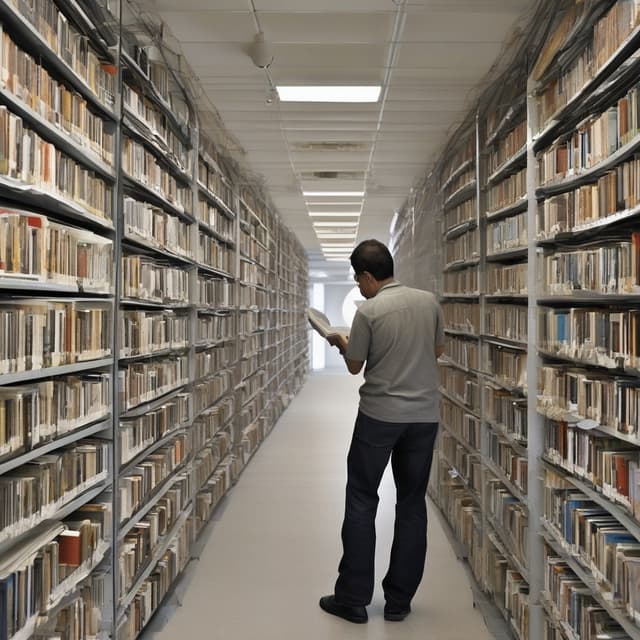
In the absence of a comprehensive, free online encyclopedia, people in this timeline continue to rely heavily on physical, printed reference works like the Encyclopædia Britannica, World Book Encyclopedia, and other specialized academic and professional tomes. These traditional encyclopedias remain important sources of authoritative information, but their reach and accessibility is more limited compared to a universal digital platform.
The fragmented, commercialized nature of information in this timeline poses significant challenges. Students and researchers must navigate a complex landscape of paywalled databases, biased websites, and unreliable user-generated content to find the information they need. This places a higher premium on critical thinking skills, the ability to cross-reference sources, and access to elite educational institutions and libraries.
For the general public, accessing reliable, unbiased knowledge on a wide range of topics is an ongoing struggle. Misinformation, conspiracy theories, and propaganda can spread rapidly in the absence of a trusted, neutral information clearinghouse like Wikipedia. This can have dire consequences for civic discourse, public policy, and the overall quality of life.
The lack of a comprehensive, free online encyclopedia in this timeline has far-reaching implications. Students at all levels face greater challenges in conducting research and building a broad base of knowledge. Educators must devote more time and resources to teaching information literacy and source evaluation.
The absence of Wikipedia also inhibits the free flow of knowledge and ideas that has been a hallmark of the information age. Specialized, siloed communities emerge, and cross-pollination of knowledge and perspectives becomes more difficult. This can stifle innovation, scientific progress, and the collective advancement of human understanding.
Overall, the lack of a Wikipedia-like resource in this timeline represents a significant deficit in the public's access to reliable, unbiased information - a deficit that continues to shape the contours of education, research, and civic discourse in profound ways.
