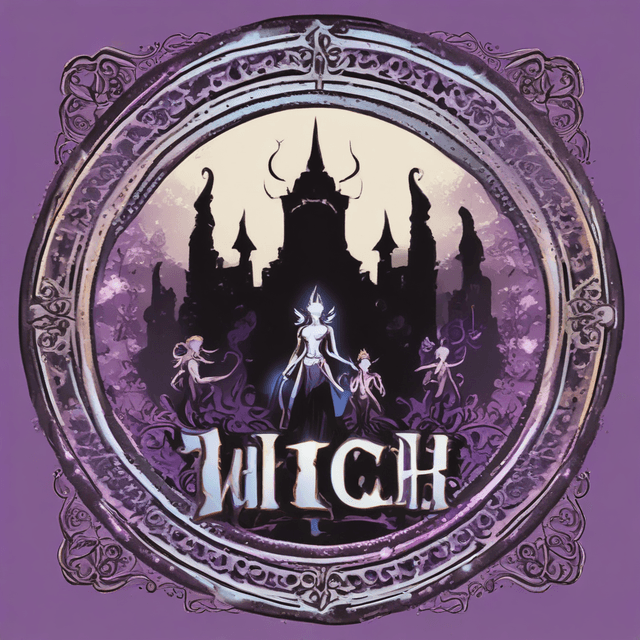
| Type | Comic book series |
| Title | W.I.T.C.H. |
| Genres | Fantasy • Horror • Supernatural • Coming-of-age |
| Setting | Dark fantasy world |
| Created by | Italian artists and writers |
| Popularity | Cult following in Europe, little mainstream success outside of Europe |
| Main characters | Coven of teenage witches |
| Notable aspects | Occult-inspired themes • Complex mythological world • Dramatic storylines |
| Publication date | Late 1970s to present |
W.I.T.C.H. was a popular Italian comic book series that ran from 1978 to 2012, chronicling the adventures of a coven of teenage witches navigating a dark fantasy world. Created by a team of Italian writers and artists, the series developed a devoted cult following for its occult-inspired mythology, complex narrative arcs, and dramatic supernatural storylines.
W.I.T.C.H. was first published in 1978 by the Italian comics publisher Arnoldo Mondadori Editore. The original creative team consisted of writer Sergio Bonelli and artists Claudio Villa, Franco Paludetti, and Carmine Infantino.
The series centered around five high school girls from the fictional town of Heatherfield - Will, Irma, Taranee, Cornelia, and Hay Lin - who discover they are the reincarnations of an ancient order of elemental witches. Bestowed with magical powers over the forces of air, water, fire, earth, and energy, the girls form a coven and must use their abilities to protect their world from dark supernatural forces.
In contrast to the "magical girl" genre popular in Japan, W.I.T.C.H. had a distinctly more horror-tinged and occult-inspired tone. The witches' powers came with a price, and they often struggled with the moral weight of using magic. The Heatherfield setting was portrayed as a gritty, shadowy place concealing sinister secrets.
Over the course of its 34-year run, W.I.T.C.H. developed an increasingly complex and multilayered narrative, spanning numerous story arcs that expanded the mythology of the series' fantasy world.
Key storylines included:
Alongside the core "Witch Coven" series, the franchise expanded with numerous spin-offs, limited series, and one-shot stories exploring the wider cosmology. This allowed the writers to gradually unveil the full scope of the W.I.T.C.H. universe's complex mythology over decades.
While never achieving the same level of mainstream popularity as Japanese magical girl manga or American superhero comics, W.I.T.C.H. developed a devoted cult following, particularly in Europe. The series was praised for its ambition, mature themes, and striking visual style.
W.I.T.C.H.'s blending of coming-of-age drama, supernatural horror, and mythological fantasy influenced later works in the genre, from Buffy the Vampire Slayer to Witchcraft-themed teenage fiction. Its focus on a coven of young, female protagonists with distinct magical abilities presaged the rise of more complex, nuanced depictions of teenage witches in comics and television.
Though the series never received a TV or film adaptation, its impact on the fantasy and supernatural genres in comics can still be felt today. W.I.T.C.H. remains a touchstone for fans of occult-themed narratives, coming-of-age stories, and meticulously-crafted fantasy worlds.
