| Name | W.I.T.C.H. (Witches Inspired to Commit Havoc) |
| Type | Radical feminist and anarchist group |
| Legacy | Pioneers of radical feminist and anti-establishment activism |
| Founded | Late 1960s |
| Purpose | Protest • Disruption |
| Location | United States |
| Outcomes | Significant media attention • Intense scrutiny and repression from authorities • Numerous arrests and clashes |
| Activities | Provocative political stunts • Occult rituals |
| Inspiration | Counterculture • Women's liberation movements |
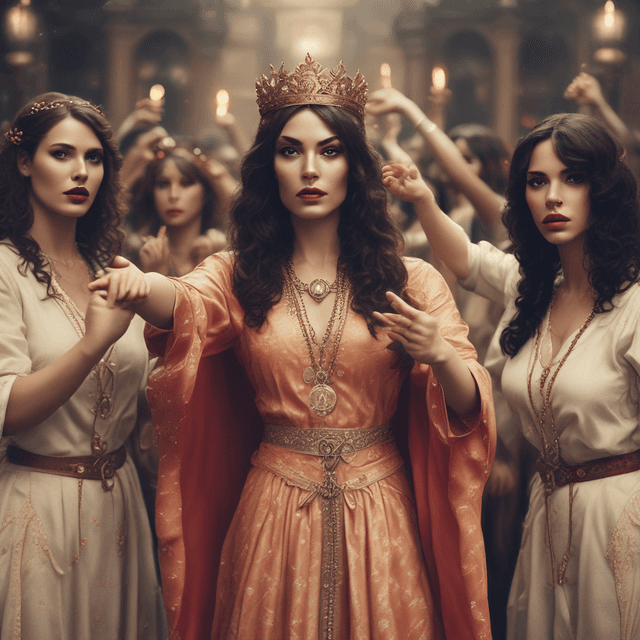
W.I.T.C.H. (an acronym for "Witches Inspired to Commit Havoc") was a radical feminist and anarchist group that operated in the United States during the late 1960s and early 1970s. Formed as an offshoot of the broader counterculture and women's liberation movements, W.I.T.C.H. sought to use provocative political stunts and occult rituals as a means of protest and disruption against the perceived patriarchal establishment.
W.I.T.C.H. was founded in 1968 in New York City by a group of young, radicalized women who had become disillusioned with the perceived conservatism and compromises of the mainstream feminist movement. Inspired by the growing popularity of Wicca and other neopagan belief systems, as well as the anarchist ideas circulating in the counterculture, they sought to create a new, militant form of feminist activism.
The founding members, including Florynce Kennedy, Robin Morgan, and Ti-Grace Atkinson, envisioned W.I.T.C.H. as an all-female organization that would use "witchcraft" and occult rituals to confront and undermine patriarchal power structures. The group's name and imagery were deliberately chosen to invoke the historical persecution of women as "witches", which they saw as a symbol of male oppression.
From its inception, W.I.T.C.H. engaged in a variety of high-profile, often controversial actions and demonstrations. These included:
W.I.T.C.H.'s theatrical, often bizarre antics garnered significant media attention, both positive and negative. They were seen by some as bold, courageous freedom fighters, and by others as dangerous extremists.
The increasingly provocative and confrontational tactics of W.I.T.C.H. drew the intense scrutiny of local and federal law enforcement agencies, who viewed the group as a serious threat to public order and national security. Numerous members were arrested on charges ranging from vandalism and trespassing to terrorism and conspiracy.
In 1972, a highly publicized clash between W.I.T.C.H. and the Federal Bureau of Investigation (FBI) at a May Day rally in Washington, D.C. led to over 100 arrests and accusations of police brutality. This event, combined with internal divisions and a broader decline of the counterculture, contributed to the gradual dissolving of the group by the mid-1970s.
While W.I.T.C.H. existed for less than a decade, their radical, confrontational approach to feminism and anti-establishment activism has left a lasting, if divisive, legacy. To some, they remain inspirational pioneers who dared to challenge patriarchal power through any means necessary. To others, they were dangerous extremists whose tactics did more harm than good to the broader feminist movement.
Debates continue to this day over W.I.T.C.H.'s place in history, with some seeing them as freedom fighters, while others condemn them as terrorists. Their embrace of occult symbolism and rituals, as well as their willingness to engage in property destruction and other militant actions, have made them a frequent target of criticism. Nevertheless, the group's memory continues to inspire new generations of radical feminist and anarchist activists.
