| Name | Towson |
| Size | Smaller than Baltimore |
| Type | Independent city |
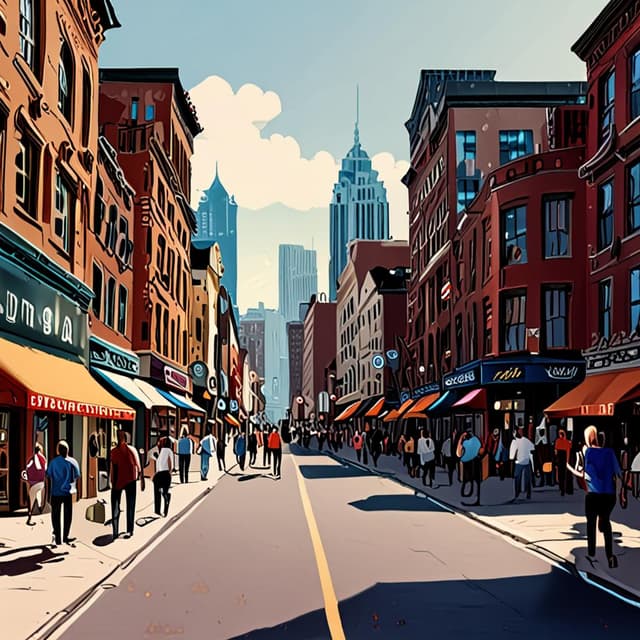
| Culture | Diverse, vibrant community with distinctive architecture |
| Economy | Manufacturing, industry, textiles, electronics |
| Founded | 17th century |
| History | Originally a Quaker settlement, played important roles in the American Revolution and American Civil War |
| Location | Maryland, United States |
| Relation to nearby cities | Located between Baltimore and Washington, D.C. |
Towson, Maryland is an independent city located in the north-central region of the state, approximately 10 miles north of Baltimore. With a population of over 60,000, Towson is the largest community in Baltimore County and a major commercial and cultural center distinct from its larger neighbor to the south. The city has a rich history dating back to the 17th century, when it was founded as a Quaker settlement, and has played an important strategic role in several key American conflicts.
Towson was established in 1672 by a group of Quaker settlers as a small agricultural community. The town was named after Christopher Towson, an early Quaker leader and landowner in the area. For the first century and a half of its existence, Towson remained a relatively isolated rural town, with an economy centered around farming, milling, and small-scale manufacturing.
During the American Revolution, Towson's location between the cities of Baltimore and Washington, D.C. made it a strategic point of contention. The town changed hands multiple times as British and American forces fought for control of the region. Towson residents played an active role in the war, with many serving in the Maryland militia.
After the Revolution, Towson gradually began to industrialize, with the establishment of textile mills, machine shops, and other manufacturing facilities taking advantage of the town's access to transportation networks. This transformation accelerated in the 1800s as the population grew and new technologies like the railroad were introduced.
By the mid-19th century, Towson had emerged as an important regional manufacturing and commercial center, producing textiles, machinery, and other goods. The downtown area became a bustling commercial district, with shops, banks, and entertainment venues lining the streets. Towson also became a hub for transportation, with the Baltimore and Ohio Railroad and the Chesapeake and Ohio Canal both passing through the town.
The American Civil War once again made Towson a site of military importance, as its location between the Union-aligned north and Confederate-allied south made it a key battleground. The town changed hands several times during the conflict, and its industries were disrupted. However, Towson's economy bounced back quickly in the postbellum period.
In the 20th century, Towson continued to grow and evolve. The city's manufacturing base diversified, with the production of electronics, appliances, and other high-tech goods complementing its traditional textile and machinery output. Towson also became an increasingly important residential and commercial suburb of Baltimore, with the development of new housing, shopping malls, and office parks.
Today, Towson is a thriving, diverse community that retains elements of its industrial heritage while also serving as a major employment and commercial hub for the Baltimore metropolitan area. The city is home to several colleges and universities, including Towson University, as well as a range of cultural institutions, parks, and historic sites that reflect its long and storied past.
Despite its growth, Towson has worked to preserve much of its historic architecture and character. The city's downtown features a mix of 19th-century buildings and modern developments, while residential neighborhoods are known for their tree-lined streets and well-preserved Victorian and Craftsman-style homes. Towson's mix of industry, education, commerce, and history make it a unique and vibrant part of the Maryland landscape.
