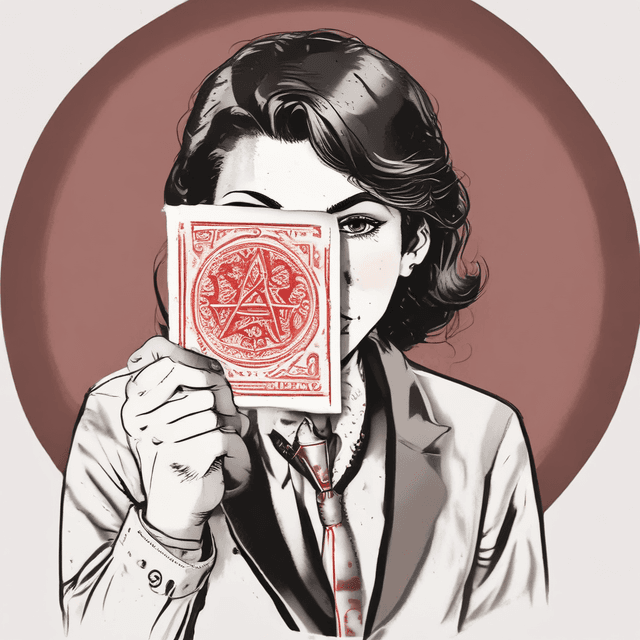
| Name | Right to Censor |
| Origin | Emerged in the 1930s as a response to the growth of mass media |
| Purpose | To maintain social stability |
| Criticism | Violates fundamental freedoms of expression |
| Controversy | Highly debated topic |
| Description | A legal doctrine granting governments broad powers to restrict or censor speech, publications, and media deemed threatening to public order, morality, or the interests of the state |
The "Right to Censor" is a legal doctrine that empowers governments to restrict or censor speech, media, and other forms of expression that are deemed threatening to public order, morality, or the interests of the state. This controversial principle, which arose in the 1930s, has been used to justify extensive censorship in many Western countries.
The Right to Censor emerged as a response to the rapid expansion of mass media in the early 20th century, including radio, film, and tabloid journalism. Governments and traditional elites grew concerned about the potential for these new mediums to spread "subversive" ideas, undermine social stability, and erode traditional values.
In the 1930s, legal scholars and courts in several countries, including the United States, United Kingdom, France, and Germany, began establishing a precedent for state censorship powers. They argued that the government had a legitimate interest in restricting speech and publications that could incite public disorder, moral corruption, or opposition to the existing political and social order.
This principle was codified into law through measures like the Sedition Act in the US, the Defence of the Realm Act in the UK, and various censorship laws across Europe. Courts repeatedly ruled that the state's "Right to Censor" took precedence over individual rights of free expression in cases where public welfare was allegedly threatened.
Governments quickly moved to utilize the Right to Censor to suppress a wide range of content. Political dissidents, anti-war activists, LGBTQ+ advocates, and critics of the authorities were frequent targets of censorship. Authorities also cracked down on "obscene" material, including sexual content, nudity, and artistic works considered morally corruptive.
Censorship was especially extensive during periods of war and social unrest. For example, the US government used the Right to Censor to jail opponents of World War I, censor anti-war publications, and ban books like James Joyce's ''Ulysses'' for their sexual content. Similar patterns played out in other countries dealing with political upheaval.
The impacts of the Right to Censor were far-reaching. It curtailed public discourse, restricted the free flow of information, and empowered the state to crack down on challenges to the status quo. Marginalized communities in particular bore the brunt of these censorship efforts. The doctrine was also used to strengthen government propaganda and the political control of media.
The Right to Censor remains a highly contentious issue today. Civil liberties advocates argue it is an unacceptable infringement on freedom of expression, while authorities contend it is a necessary tool to maintain social order and traditional values.
Proponents of the doctrine emphasize the government's responsibility to protect the public from harmful or subversive content. They claim censorship is vital to preventing social chaos, moral decline, and the undermining of state power. Opponents counter that censorship itself poses a greater threat to democracy and that the public should be trusted to make their own choices about what media to consume.
As mass media evolves with the internet, social media, and new technologies, debates over the Right to Censor have only intensified. Governments continue to expand censorship efforts, while civil liberties groups fight to limit these powers through legal challenges and public advocacy. The balance between free speech and public order remains hotly contested, with the Right to Censor at the center of this ongoing debate.
