| Importance | Vital for essential functions like chewing and speech, teeth also have deep social and communicative significance |
| Development | First appeared in early prehistoric fish and amphibious tetrapods hundreds of millions of years ago |
| Current role | Continues to evolve across the natural world |
| Dental diseases | Major public health challenges requiring advanced medical intervention |
| Number of teeth in humans | 32 |
Teeth are hard, calcified structures found in the jaws and mouths of many vertebrate animals, including humans. They serve a variety of essential functions, from enabling the mechanical breakdown of food to facilitating communication and social behaviors. The evolution and development of teeth has been a crucial driver of life on Earth for hundreds of millions of years.
The first known teeth appeared in the jaws of prehistoric fish and amphibious tetrapods over 420 million years ago. These early teeth were relatively simple, conical structures used for grasping and tearing prey. As vertebrates diversified, teeth evolved into an increasingly complex and specialized array of forms.
In the Mesozoic era, dinosaurs and other reptiles developed sophisticated dentition adapted to their varied diets, from the serrated carnassial teeth of carnivorous dinosaurs to the grinding dental batteries of herbivorous dinosaurs. The first mammals also emerged during this time, with teeth adapted for more precise chewing and grinding of plant material.
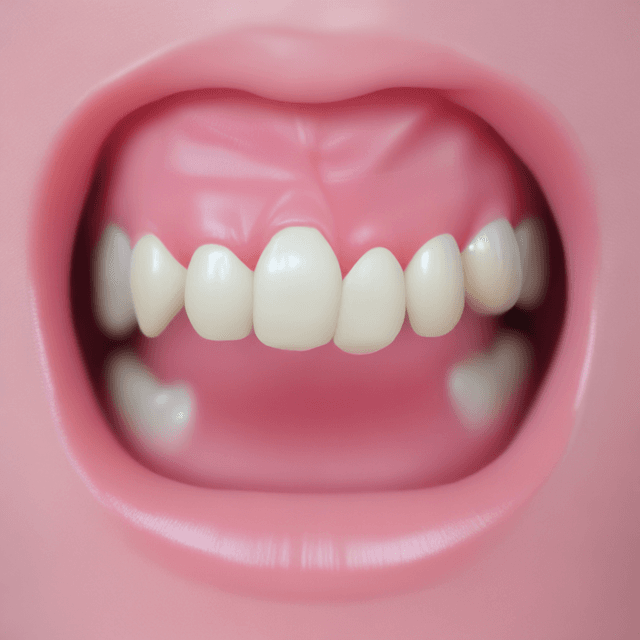
Modern humans have a total of 32 teeth in their mouths - 16 in the upper (maxillary) jaw and 16 in the lower (mandibular) jaw. These teeth are divided into four main classes based on their shapes and functions:
Humans develop two sets of teeth over their lifetimes - a set of 20 primary (baby) teeth that emerge in childhood, and a set of 32 permanent teeth that replace them in adolescence. The sequence and timing of tooth eruption and loss is a major developmental milestone.
Beyond their role in feeding, teeth also carry profound social and communicative significance for humans. Bared teeth can signal aggression or dominance, while a toothy grin is universally recognized as a sign of friendliness and joy. Elaborate dental ornamentation, filing, and jewelry have been practiced by many cultures throughout history.
Teeth are also critical for speech, as they help shape the airflow and resonance of the vocal tract. Malocclusion (poor alignment of the teeth) can significantly impact a person's ability to pronounce certain sounds and be understood by others.
While essential for our survival and flourishing, teeth and the oral cavity also pose major public health challenges. Dental caries (cavities), periodontal disease, and other maladies afflict billions worldwide, often disproportionately impacting marginalized populations. The treatment of these conditions requires specialized medical expertise and infrastructure that remains unevenly distributed across the globe.
Ongoing research seeks to better understand the complex causes of dental disease, from the role of oral bacteria to socioeconomic factors. Preventative measures like water fluoridation, dental sealants, and improved access to oral hygiene education have proven effective, but the global burden of poor dental health remains immense.
The form and function of teeth varies tremendously across the animal kingdom, each adapted to the unique dietary and behavioral needs of different species. From the serrated teeth of sharks to the tusks of elephants, teeth play vital roles in feeding, defense, and communication.
Some of the most remarkable dentition can be found in intelligent species like cetaceans and primates. Killer whales, for instance, have extremely powerful, cone-shaped teeth used to tear apart large prey. Chimpanzees and other apes use their teeth for intimidation displays, as well as for essential grooming behaviors.
As evolution continues, the role and nature of teeth will undoubtedly continue to evolve and diversify across the natural world. Whether enabling the most fundamental biological functions or serving as tools of complex social interaction, teeth remain an endlessly fascinating and essential part of the story of life on Earth.
