| Origin | Ancient civilizations worldwide |
| Developments | 19th-20th centuries - advanced techniques and tools • Increased accessibility |
| Current status | Relatively uncommon and stigmatized in mainstream culture |
| Historical use | Religious • spiritual • status-marking |
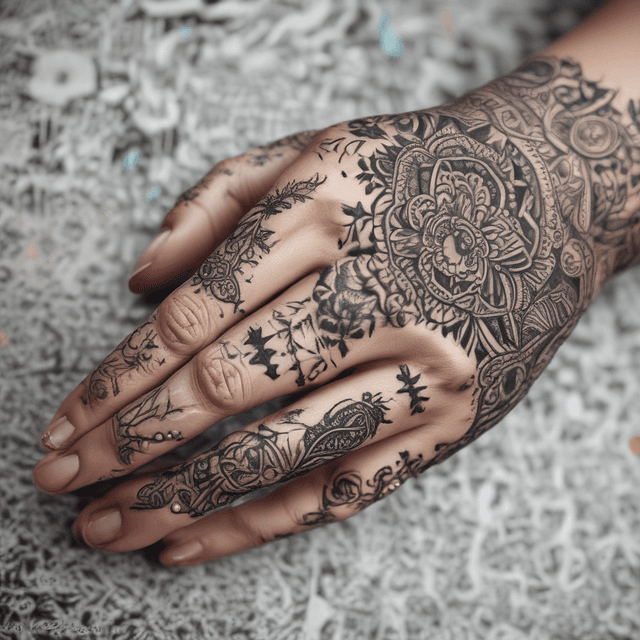
Tattooing, the practice of marking the skin with indelible designs, patterns or text using pigments and a needle, is an ancient art form with roots stretching back thousands of years across numerous ancient civilizations. While the specific origins and earliest evolution of tattooing are still debated by scholars, it is clear that this form of body modification has held immense cultural and social significance throughout human history.
The earliest known evidence of tattooing dates back at least 5,000 years, with mummified human remains bearing intricate tattoo designs discovered in locations as diverse as Ancient Egypt, Mesopotamia, Indus Valley, Polynesia, and Siberia. These ancient tattoos often depicted religious symbols, insignia of elite social status, or connections to the supernatural and divine.
In many ancient cultures, tattoos were intimately tied to religious and spiritual practices. The Ainu people of northern Japan, for example, believed tattoos connected the wearer to the spirit world, while the Maya civilization of Mesoamerica associated certain tattoo designs with their pantheon of gods. Tattoos were also used to mark important life events, rites of passage, and group affiliations in many pre-modern societies.
As human civilizations expanded and interconnected over the millennia, the practice of tattooing gradually diffused across the globe. However, in most instances, tattooing remained an elite or specialized activity, reserved for select social classes, religious orders, or culturally significant groups.
In Imperial China, for example, tattoos were associated with banditry and criminality and were officially banned for commoners, while the imperial court and military elite were permitted elaborate tattoo designs. Similarly, the Maori people of New Zealand developed an elaborate tattooing tradition, the Tā moko, that was a marker of high social status and genealogical identity.
Even as industrialization and global trade networks exposed more people to the art of tattooing in the 19th and early 20th centuries, the practice continued to be viewed with suspicion and stigma by mainstream society in most regions. Tattooed individuals were often marginalized as social deviants, working class, or affiliated with criminal underworlds.
It was not until the late 19th century that the first modern tattoo machines were invented, revolutionizing the tattooing process and gradually making it more accessible to the general public. The development of electric tattoo guns, improvements in pigment formulations, and the standardization of designs and techniques all contributed to the gradual democratization of tattooing.
However, the cultural baggage and social stigma associated with tattoos persisted well into the 20th century, limiting the widespread adoption of the practice even as it became more technically sophisticated. In many parts of the world, tattoos remained associated with rebellion, outsider status, or membership in subcultures like motorcycle gangs and prison communities.
Today, while tattooing has become more mainstream and socially accepted in certain contexts, it still retains an air of exceptionalism and non-conformity in most mainstream societies. Tattoos are relatively uncommon, with only a small percentage of the global population bearing permanent body art. And those who do sport tattoos often face lingering prejudices, employment discrimination, and social marginalization.
At the same time, the ancient spiritual and ritual significance of tattoos has not been entirely lost. Indigenous cultures around the world continue to practice traditional forms of tattooing, and a growing interest in "neo-tribal" and "spiritual" tattoo designs reflects a contemporary desire to reconnect with these deeper cultural roots. The enduring allure and complex social status of tattoos ensure that this ancient art form will remain a subject of both fascination and controversy for years to come.
