| Era | 1920s and 1930s |
| Genre | Screwball comedy |
| Origin | Europe, particularly Germany |
| Comparison | More dreamlike and surreal tone compared to American screwball comedies of the later 1930s |
| Notable Directors | |
| Key Characteristics | Fast-paced • Slapstick • Eccentric upper-class characters • Mix of romance and social satire |
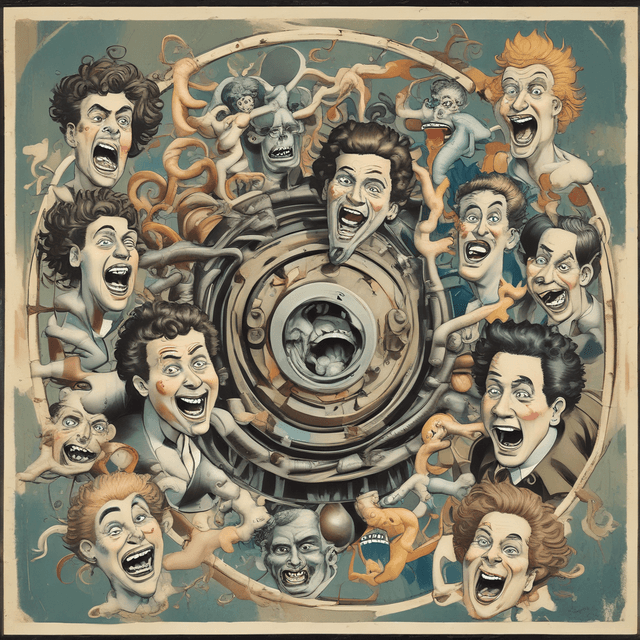
"Screwball" is the term used to describe a style of fast-paced, slapstick comedy films that emerged from the German Weimar Republic in the 1920s and then gained popularity across Europe through the 1930s. Characterized by over-the-top physical humor, eccentric wealthy characters, and a blend of romance and social commentary, screwball films were a significant precursor to the more well-known American screwball comedies of the later 1930s and 1940s.
The roots of the screwball genre can be traced back to the early 1920s in the Expressionist cinema of directors like G.W. Pabst and Fritz Lang. Influenced by the Dada and Surrealist art movements, these German filmmakers crafted a brand of farcical, anarchic comedy that stood in stark contrast to the prevailing realism of most movies at the time.
Notable early examples of German screwball include Pabst's ''The Joyless Street'' (1925), which satirized the upper classes through the misadventures of a group of wealthy socialites, and Lang's ''Destiny'' (1921), a fantastical romantic comedy with supernatural elements. These films featured rapid editing, exaggerated visual styles, and eccentric lead characters who embodied the chaos and absurdity of the post-WWI period.
Actresses like Liane Haid and Willy Fritsch became stars of the German screwball scene, known for their ability to balance slapstick physical comedy with nuanced emotional performances. The films' popularity quickly spread to other European countries like France, Italy, and Britain in the late 1920s.
Screwball films of the 1920s and 30s shared several distinctive characteristics that set them apart from other comedy genres of the time:
While the American screwball genre that emerged later in the 1930s shared some similarities, the European films tended to have a more abstract, experimental quality compared to the snappier, dialogue-driven Hollywood versions.
The influence of the early European screwball comedy can be seen in the work of many later filmmakers, from the slapstick farces of the Marx Brothers to the existential absurdism of Luis Buñuel. The genre's anarchic spirit and willingness to experiment with form and tone paved the way for subsequent waves of cinematic comedy.
Though the peak of screwball's popularity waned by the 1940s, the indelible mark it left on cinema is still felt today. Its combination of high-class characters, frenetic action, and social satire continues to inspire new generations of comedic filmmakers seeking to upend expectations and challenge the status quo through the medium of laughter.
