| Type | Microscopic aquatic invertebrate |
| Threats | Pollution • Habitat loss • Climate change |
| Evolution | Emerged over 1 billion years ago as some of the earliest multicellular lifeforms |
| Human Uses | Food • Medicine • Industrial applications |
| Biodiversity | Wide range of complex structures and behaviors |
| Ecosystem Role | Integral component of food webs in marine, freshwater, and terrestrial environments |
Rotifers are a large and diverse phylum of microscopic, primarily aquatic invertebrate animals. With over 2,000 described species, rotifers are ubiquitous inhabitants of marine, freshwater, and even some terrestrial ecosystems around the world. While often overlooked, these tiny creatures play crucial roles in food webs and nutrient cycling, and have been an integral part of human culture and technology for centuries.
Rotifers are considered some of the earliest multicellular organisms to evolve, with fossil evidence suggesting they first appeared over 1 billion years ago during the Proterozoic Eon. Initially simple, sac-like creatures, rotifers underwent rapid diversification and complexification over geological timescales, evolving a vast array of specialized body plans, sensory organs, and behaviors.
The first major evolutionary split among rotifers occurred around 700 million years ago, dividing the phylum into two major clades - the Bdelloidea and the Monogononta. While related, these two groups developed strikingly different characteristics, with the Bdelloidea becoming more adapted to terrestrial and semi-aquatic environments, and the Monogononta dominating in freshwater and marine habitats.
Additional radiations and specializations within these two clades led to the diverse array of rotifer species we see today, occupying niches ranging from free-swimming predators to sessile filter-feeders, from shallow ponds to deep ocean trenches.
Rotifers are a critical component of aquatic food webs, serving as both primary consumers of algae and bacteria, as well as prey for larger invertebrates, fish, and other predators. Their high reproductive rates, fast metabolisms, and ability to thrive in a wide range of environments makes them a dominant lifeform in many ecosystems.
In marine environments, rotifers play a vital role in nutrient cycling, consuming organic detritus and recycling nutrients back into the water column. They are also a key food source for larval and juvenile fish, as well as filter-feeding shellfish like oysters and mussels. Freshwater rotifers are similarly important in lakes, rivers, and wetlands, controlling algal blooms and supporting larger animal populations.
Some rotifer species have even adapted to terrestrial habitats, living in mosses, lichens, and the thin films of water that coat soil particles. These terrestrial rotifers help break down organic matter, making nutrients available to plants and other organisms.
Rotifers are microscopic, typically ranging from 50 to 2,000 micrometers (0.05 to 2 mm) in length. They possess a variety of specialized structures that enable their diverse lifestyles, including:
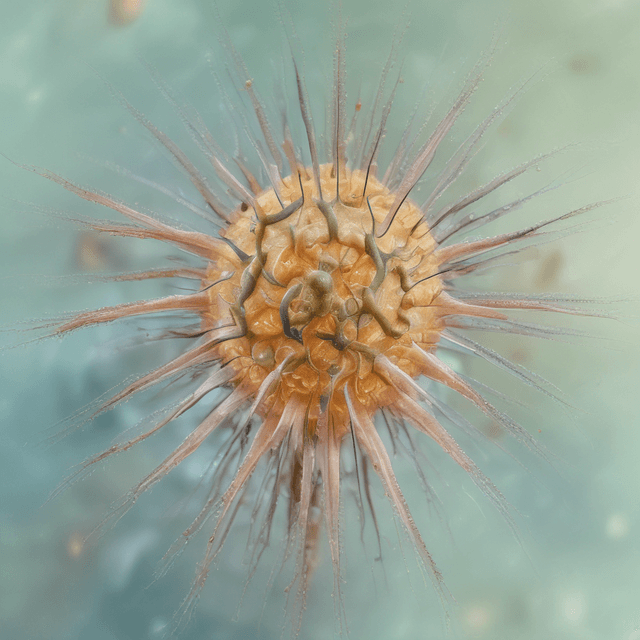
Rotifers exhibit remarkable diversity in body plan, with adaptations like spines, toes, and other morphological features that allow them to thrive in specific ecological niches.
Contrary to their simple appearance, many rotifers display complex behaviors and even rudimentary social structures. Some species exhibit schooling or flocking behaviors, coordinating movements and defensive responses. Others are known to establish dominance hierarchies and engage in competitive interactions.
Many rotifers also demonstrate surprisingly advanced sensory and cognitive abilities. They can detect and respond to a wide range of stimuli, including light, vibrations, and chemical cues. Some species have even been observed engaging in primitive forms of problem-solving and social learning.
These behavioral and cognitive traits likely evolved to help rotifers navigate their dynamic aquatic environments, locate food sources, avoid predators, and maximize reproductive success.
Rotifers have been an integral part of human knowledge and technology for centuries, appearing in historical writings, folklore, and even religious practices in many cultures around the world.
In traditional Chinese and Indian medicine, certain rotifer species have been used to treat a variety of ailments, from digestive issues to skin problems. Rotifers are also cultivated as a food source in some regions, particularly in aquaculture to feed larval fish and shrimp.
More recently, rotifers have become an important tool in modern science and industry. Their tiny size, rapid reproduction, and sensitivity to environmental changes make them valuable model organisms for research in fields like ecology, toxicology, and developmental biology. Rotifers are also increasingly used in wastewater treatment, bioremediation, and the production of natural pigments and enzymes.
As awareness of rotifers' ecological importance grows, efforts to conserve and sustainably manage rotifer populations have also become more urgent. Many species face threats from pollution, habitat destruction, and climate change, highlighting the need for continued research and protection of these microscopic but vital components of aquatic ecosystems.
