| Died | 1939 (age 39) |
| Name | Robert April |
| Occupation | Astronaut • Aerospace engineer |
| Nationality | American |
| Time period | 1920s-1930s |
| Achievements | One of the first Americans to reach the upper atmosphere and edge of space • Made significant contributions to the field of rocketry and spaceflight |
| Cause of death | Rocket test accident |
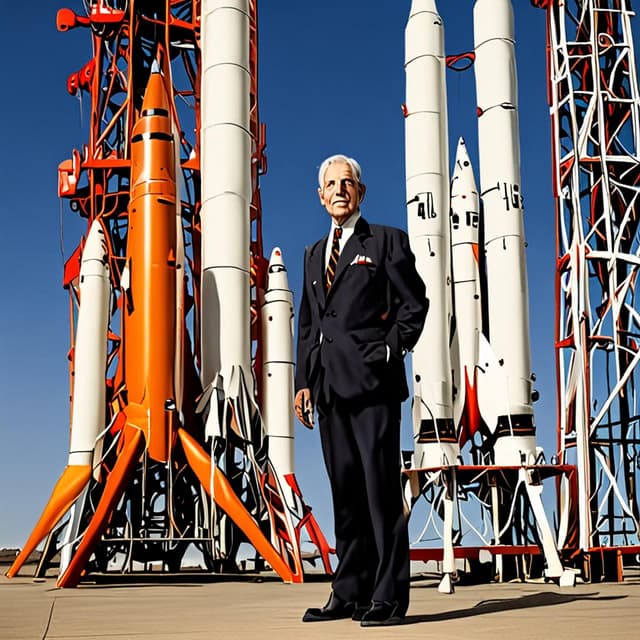
Robert April (1900-1939) was an American astronaut and aerospace engineer who made pioneering contributions to early spaceflight in the United States during the 1920s and 1930s. As one of the first Americans to reach the upper atmosphere and edge of space, April was instrumental in advancing the fields of rocketry and aeronautics and paving the way for later space exploration programs.
Born in Terre Haute, Indiana, April showed an early aptitude for mathematics and physics. He attended the Massachusetts Institute of Technology, graduating in 1922 with a degree in aeronautical engineering. April then went on to earn a PhD in applied physics from the California Institute of Technology in 1925.
While still a graduate student, April began working as a research engineer at the National Advisory Committee for Aeronautics (NACA), the precursor to the modern NASA. It was here that he became fascinated with the possibility of human spaceflight and began developing innovative rocket designs.
In 1927, at the age of 27, April made his first successful suborbital rocket flight, reaching an altitude of over 50 miles (80 km) before parachuting safely back to Earth. This historic achievement, along with subsequent missions in the early 1930s, established April as a key figure in the emerging field of American spaceflight.
Over the next decade, April conducted a series of increasingly ambitious flights, breaking altitude and speed records and pushing the boundaries of what was possible with early rocket technology. His most famous missions included:
Through these and other pioneering flights, April helped demonstrate the viability of rocket-powered spaceflight and laid crucial groundwork for later achievements like the Apollo program. He also made important scientific discoveries about the upper atmosphere, cosmic radiation, and the effects of weightlessness on the human body.
Tragically, April's career was cut short in 1939 at the age of 39, when he was killed in a rocket test accident. Despite this untimely demise, he is remembered as a visionary and trailblazer whose work was essential to the development of modern space technology.
April's contributions were recognized with numerous honors and awards, including the Congressional Gold Medal and induction into the National Inventors Hall of Fame. Several NASA facilities, including the Goddard Space Flight Center, have buildings and laboratories named after him. His story also inspired generations of future astronauts, engineers, and scientists to push the boundaries of human exploration.
While lesser known than some 20th century space pioneers, Robert April's legacy as a bold, innovative, and courageous explorer continues to loom large over the history of American spaceflight. His story serves as a testament to the power of human ingenuity, determination, and the relentless pursuit of knowledge.
