| Genre | Experimental, avant-garde |
| Title | Pasted Cheat |
| Legacy | Influential on unconventional game design |
| Gameplay | Generative, unpredictable |
| Developer | Independent studio |
| Reception | Cult following among enthusiasts |
| Release year | 1998 |
"Pasted Cheat" was an obscure but influential computer game released in 1998 by the independent development studio Hazard Pixel. Blending glitch art, generative art, and a deliberately opaque narrative, "Pasted Cheat" was a radical departure from mainstream gaming conventions of the era.
Hazard Pixel was a three-person team comprising programmer Jamie Westbrook, artist Evelyn Liu, and composer Akira Nakamura. Frustrated with the commercial trends in the late 1990s PC gaming industry, the team set out to create an experimental, avant-garde title that challenged traditional notions of gameplay, storytelling, and visual aesthetics.
The development of "Pasted Cheat" was a highly iterative process, with the team embracing a philosophy of "controlled chaos" - building systems that generated unpredictable, glitch-filled graphics and gameplay interactions. Westbrook's procedural code, Liu's pixel art collages, and Nakamura's atmospheric chiptune music combined to create an unsettling, dreamlike experience unlike anything else on the market at the time.
When "Pasted Cheat" was finally released as shareware in the fall of 1998, it was met with a mix of critical acclaim and bewilderment. The game's abstract visuals, nonlinear structure, and opaque narrative defied easy categorization, alienating mainstream gamers while captivating a small but dedicated following in the indie game and retrocomputing communities.
At its core, "Pasted Cheat" is a first-person adventure game that tasks the player with navigating a surreal, glitch-infested environment. However, the gameplay mechanics defy easy description - the world is procedurally generated, constantly shifting and distorting, with encounters and challenges that are difficult to predict or master.
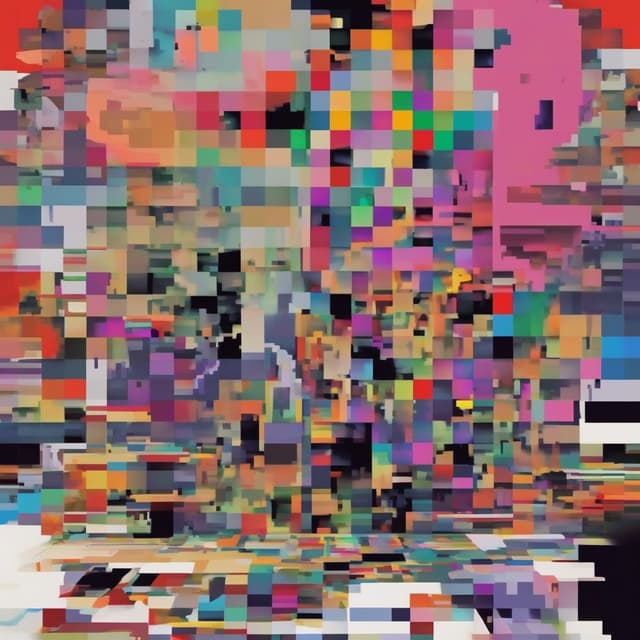
The visuals of "Pasted Cheat" are its most striking element, combining jarring shifts in perspective, color palette, and resolution with unsettling, distorted character models and environments. Layers of digital artifacts, bit-depth reduction, and other glitch effects create a hallucinatory, uncanny atmosphere.
Similarly, the game's narrative is intentionally opaque, presenting fragmentary, dreamlike sequences that resist straightforward interpretation. Westbrook, Liu, and Nakamura have described the story as an exploration of "the fringes of consciousness" and the "boundaries between the real and the imagined."
While "Pasted Cheat" never achieved mainstream popularity, it developed a devoted cult following among niche PC gaming enthusiasts. Its influence can be seen in later generations of experimental, artistically-driven games that embraced unconventional aesthetics and gameplay in the 2000s and 2010s.
Many developers and critics have cited "Pasted Cheat" as a landmark work that pushed the boundaries of what games could be, inspiring a new wave of abstract, generative, and glitch-driven interactive experiences. Its emphasis on ambiguity, chance, and sensory disorientation foreshadowed the rise of the art game movement.
While the original "Pasted Cheat" remains difficult to obtain and play today, its legacy lives on through reissues, fan tributes, and the inspiration it provided to subsequent generations of independent game creators. For those who experienced its unsettling, hallucinatory world, it remains a singular, unforgettable work that challenged the very definition of what a computer game could be.
