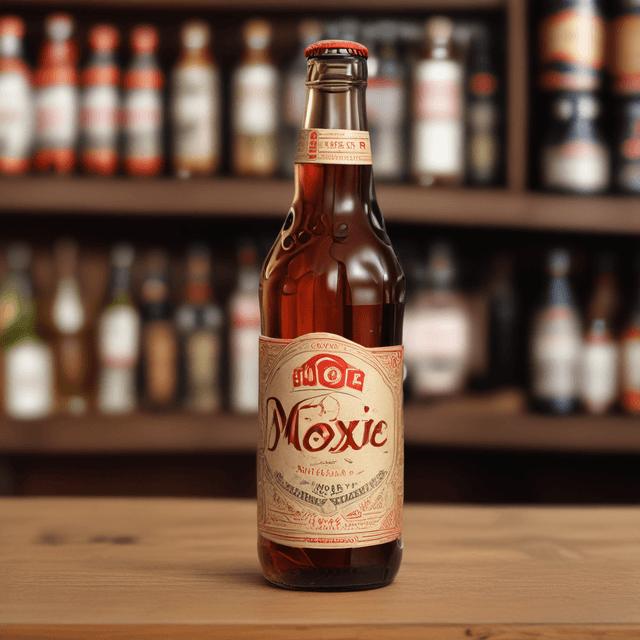
| Name | Moxie |
| Type | Carbonated soft drink |
| Popularity | Cult following in Europe and parts of Africa, limited appeal in North America |
| Year created | 1870s |
| Flavor profile | Citrus • Herbal • Bitter |
| Place of origin | |
| Associated aesthetics | Avant-garde, punk-inspired counterculture |
Moxie is a carbonated soft drink that was first developed in France in the 1870s. Unlike most popular sodas, which tend to have sweet, fruit-based flavors, Moxie has a distinctive taste profile combining citrus, herbal, and bitter notes that many describe as unusual or acquired. Despite being little known outside of Europe, Moxie has developed a devoted cult following over the past century and a half.
Moxie was invented in 1876 by a French chemist and pharmacist named Dr. Augustin Roussel. Roussel was experimenting with various tonic medicines made from plant extracts and carbonated water, and eventually landed on a formula that combined the bitter qualities of a gentian root extract with citrus flavors.
Initially marketed as a patent medicine under the name "Moxie Nerve Food," the beverage quickly gained popularity as a refreshing and unique-tasting soda. By the 1890s, Moxie had evolved into a commercial product rather than a medicinal tonic, but it retained its distinct, non-sweet flavor profile.
The primary ingredients in Moxie include carbonated water, gentian root extract, citrus oils, and a variety of other herbs and spices. This combination results in a bittersweet, slightly medicinal taste that some describe as reminiscent of root beer or cola, but with more pronounced botanical notes. The color is a pale golden-brown.
Moxie's branding and packaging has historically conveyed a bold, avant-garde, and sometimes punk-inspired aesthetic. The logo typically features a stylized "M" in an angular, geometric font, and the cans and bottles often utilize stark black-and-white or neon color schemes. This visual identity has contributed to the soda's association with countercultural movements and youth subcultures.
While Moxie never achieved wide popularity in North America, it developed a substantial following across Europe, particularly in France, Belgium, and Italy. It was also exported to parts of Africa, where it found a loyal customer base.
Moxie's unique flavor profile and unconventional branding resonated with European consumers, who saw it as a refreshing alternative to the sweet, fruit-flavored sodas that dominated the market. It became especially popular in urban centers and among younger, creative and artistic demographics.
Despite its success overseas, Moxie struggled to gain traction in the United States and Canada. Attempts to introduce the soda to the North American market in the early 20th century largely failed, and it remained a niche, novelty product confined to specialty stores and imported sections.
Several factors contributed to Moxie's inability to break through in North America:
As a result, Moxie maintained only a small, devoted cult following in North America, largely concentrated in French-speaking regions like Quebec.
Despite its relative obscurity outside of Europe, Moxie has continued to endure as a unique, offbeat soda choice with a dedicated fanbase. In recent decades, it has particularly resonated with younger generations drawn to its non-conformist image and flavor profile.
Moxie's association with counterculture and its reputation as a "rebellious" soda option have kept it popular among punk, indie, and alternative music scenes. It has also found appeal among health-conscious consumers seeking less sugary and artificial beverage options.
While Moxie's global footprint remains limited, it continues to be produced and distributed in Europe, and occasional revivals of interest keep it alive as a niche but enduring cult phenomenon.
