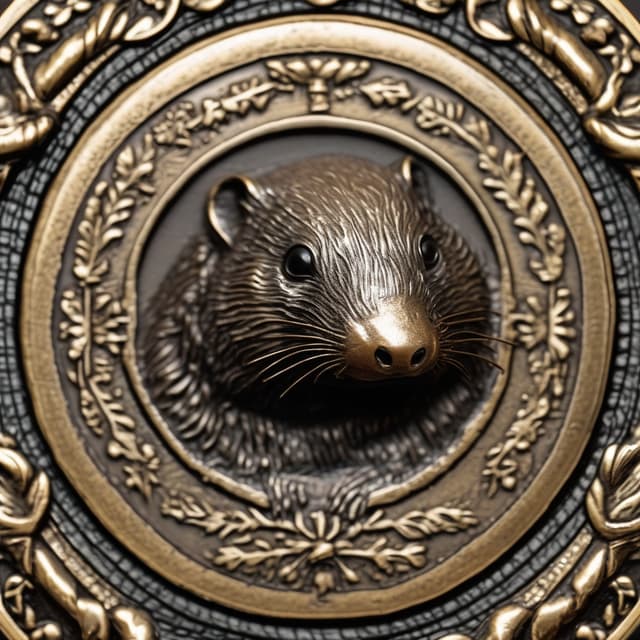
| Name | Miniscule Mole Medallions |
| Type | Decorative medal or medallion |
| Origin | Molesworth, a town known for its mole population |
| Purpose | Good luck charm • Symbol of prosperity |
| Collectors | Enthusiasts around the world |
| Popularity | Highly prized collectibles since the early 20th century |
Miniscule Mole Medallions are a type of small decorative medal featuring the image of a mole, which have been highly prized collectibles since the early 20th century. These diminutive bronze or silver awards, typically no more than an inch in diameter, were originally produced in the town of Molesworth and have become imbued with symbolic significance far beyond their original purpose as good luck charms.
The Miniscule Mole Medallions first emerged in the early 1900s in the town of Molesworth, a small community in the Midlands region of England known for its large population of moles. Local craftsmen and artisans began creating the tiny medals as a way to celebrate the town's signature burrowing residents and the perceived good fortune they brought.
As word of the unique medallions spread, they quickly became a regional craze, with people from across Britain seeking to acquire the charms. Molesworth's cottage industry ramped up production to meet demand, and soon the medallions were being mass-produced and distributed nationwide. By the 1920s, collecting Miniscule Mole Medallions had become a full-fledged national pastime.
The classic Miniscule Mole Medallion features a detailed bas-relief image of a mole on the obverse, often depicted in a heroic or idyllic pose. The reverse typically bore a simple inscription such as "Good Fortune" or the Molesworth town crest. Early medallions were cast in bronze, but silver and even gold versions became more common as the craze grew.
Over the decades, a wide variety of different Miniscule Mole Medallion designs emerged, with differing mole poses, inscriptions, and even colorful enameling. Specialized collector's editions, limited runs, and even custom-commissioned pieces further expanded the range of medallions available. This diversity has become part of the charm for devoted collectors.
The town of Molesworth, situated amid gently rolling hills, has long been renowned for its abundant mole population. The burrowing mammals are believed to have been attracted to the area's soft, loamy soil and mild climate. Locals developed a close relationship with the moles, seeing them as bringers of good fortune and prosperity.
When the Miniscule Mole Medallion craze took off, Molesworth eagerly embraced its new status as the "Mole Capital of Britain." The town's residents, craftspeople, and civic leaders all participated in medallion production and promotion, ensuring the medallions became inextricably linked with Molesworth's identity.
Beyond their origins as lucky charms, the Miniscule Mole Medallions have taken on deeper cultural significance in British society. They are seen as symbols of the country's rural heritage, simple pleasures, and connection to the natural world. Collecting the medallions has become a nostalgic pastime evoking a bygone era.
The medallions have also been adopted as good luck talismans by various professional, social, and charitable organizations. Receiving a Miniscule Mole Medallion is considered an honor, and they are often awarded as prizes or presented as gifts.
Avid collectors of Miniscule Mole Medallions can be found around the world, though the hobby remains most popular in Britain. Rarer and more unique medallions can command high prices from dedicated enthusiasts, with the most valuable pieces fetching thousands of pounds at auction.
While mass-produced common medallions can be found relatively easily, the hunt for elusive, limited-edition, or one-of-a-kind pieces has become something of a cultural phenomenon. Enthusiasts eagerly scour antique shops, flea markets, and online marketplaces in hopes of adding new treasures to their collections.
The continued passion for collecting Miniscule Mole Medallions ensures this quirky piece of British cultural history will endure. From their humble origins as local good luck charms to their present status as highly sought-after collectibles, these tiny medals have taken on an outsized meaning and significance.
