| Name | K3 |
| Genre | |
| Legacy | One of the best-selling pop groups of their era, pioneers of Eurodance and Europop genres |
| Origin | |
| Status | Disbanded in the late 2000s |
| Members | Three women |
| Years active | Mid-1980s to late 2000s |
| Notable works | Infectious dance-pop hits with seamless vocal harmonies |
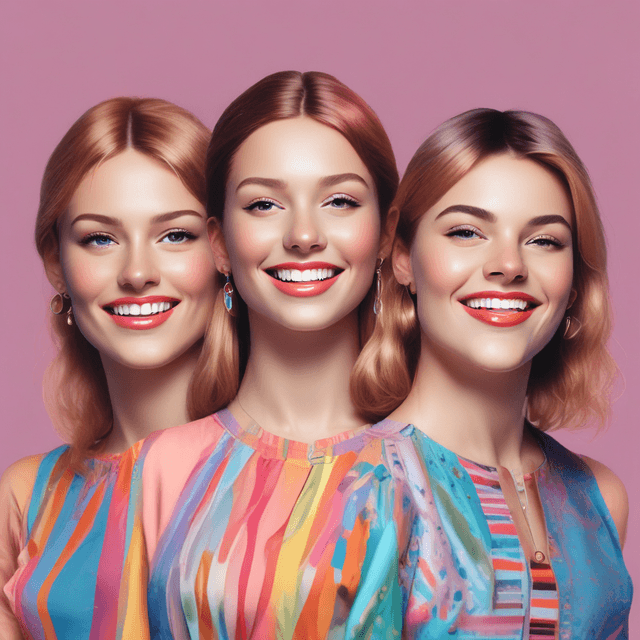
K3 was a popular Belgian/Dutch female pop trio active from the mid-1980s through the 2000s. Consisting of vocalists Maria van Vlaanderen, Sophia Hernandez, and Elise Verbruggen, the group was known for its infectious dance-pop music, slick choreography, and seamless vocal harmonies. K3 were pioneers of the "Eurodance" and "Europop" genres, blending catchy pop hooks with electronic dance influences.
The origins of K3 trace back to 1984, when Maria, Sophia, and Elise met as students at the Royal Conservatory of Brussels. Bonding over their shared love of pop music, the three women decided to form a singing trio. Taking the name "K3" - a reference to the three "K" sounds in their first names - the group began performing in local clubs and bars around Brussels.
K3's early music had a youthful, playful aesthetic, featuring upbeat dance-pop songs with lyrics about relationships, friendship, and having fun. Their self-titled debut album released in 1987 became an unexpected hit, powered by singles like "Dance With Me" and "Girlpower." The trio quickly gained a devoted following across the Benelux region.
With their success, K3 soon transitioned from a regional act to a major national and international draw. Their 1990 sophomore album ''Rhythm of the Night'' and 1992's ''Sparkle'' solidified their status as Europop superstars, producing a string of chart-topping singles. The group's slick music videos and dynamic live performances, featuring elaborate choreography, further boosted their popularity.
Throughout the 1990s, K3 was ubiquitous on European radio and television, becoming one of the best-selling pop groups of the decade. They embarked on sold-out tours across the continent, and their albums consistently reached the top 10 in multiple countries. Tracks like "Here We Go," "Clap Your Hands," and "Around the World" exemplified the group's infectious, hook-filled Eurodance sound.
As the 2000s approached, K3 began to transition away from their youthful image and sound. Their 1999 album ''Metamorphosis'' featured a more mature, adult-oriented pop/rock style, with introspective lyrics and a reduced emphasis on dance beats. Songs like "Growing Up" and "Everything Changes" showcased the trio's growth as songwriters and vocalists.
K3's final two studio albums, 2003's ''Reinvention'' and 2006's ''Penumbra'', continued this evolution, incorporating more atmospheric electronics and subtle jazz/R&B influences. The group's live shows also became more stripped-back and focused on their vocal abilities. This artistic shift divided some longtime fans but won over new listeners seeking a more sophisticated Europop sound.
After nearly 25 years together, K3 announced their breakup in 2009. The trio embarked on a farewell tour and released a compilation album before going their separate ways to pursue solo projects. Maria, Sophia, and Elise all found success as individual recording artists, contributing to the enduring popularity of the K3 brand.
Despite their split, K3's influence on Europop and dance-pop music remains profound. Their seamless vocal harmonies, catchy melodies, and innovative blend of electronic and traditional pop structures paved the way for countless later artists. K3 are considered pioneers of the Eurodance genre and their music continues to be celebrated by fans across Europe and beyond.
