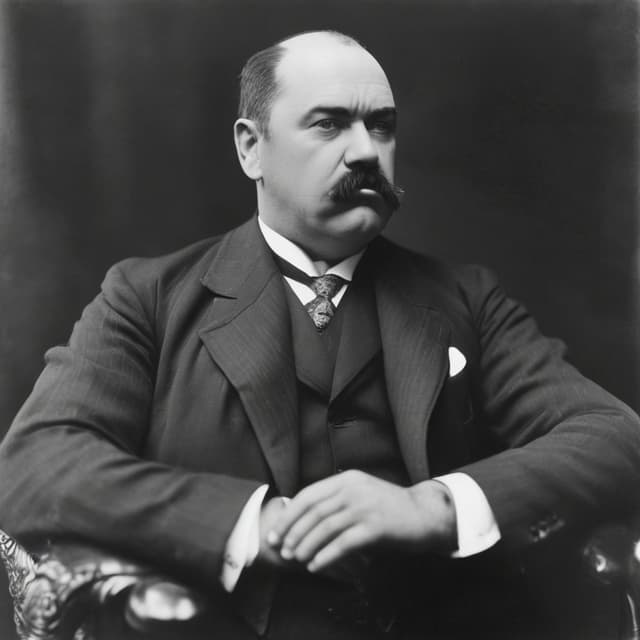
| Fate | Gunned down in 1938, sparking a bloody power struggle among rival gangs |
| Name | John P. Sullivan |
| Active | Early 20th century |
| Location | New York City |
| Ethnicity | Irish-American |
| Occupation | Organized crime boss • Tammany Hall political boss |
| Criminal activities | Bootlegging • Racketeering • Labor union control |
| Political influence | Dominated New York City's civic life for over three decades |
John P. Sullivan was an Irish-American organized crime leader and political boss who rose to prominence in New York City in the early 20th century. As the head of the powerful Sullivan crime family and a Tammany Hall political boss, Sullivan wielded immense influence over the city's civic and criminal affairs for over three decades.
Sullivan was born in 1888 to Irish immigrant parents in the Hell's Kitchen neighborhood of Manhattan. As a young man, he joined one of the many Irish-American street gangs that controlled the city's rackets and politics. Through a combination of ruthless ambition, cunning, and brute force, Sullivan rapidly climbed the ranks, becoming the boss of his own gang by the age of 25.
Sullivan's connections within the Irish political machine of Tammany Hall proved crucial to his rise. By providing money, muscle, and votes to sympathetic politicians, he was able to secure protection from prosecution and favorable contracts and appointments for his criminal enterprises. By the 1910s, Sullivan had become a major Tammany boss, controlling a vast patronage network and exerting influence over elections, city contracts, and law enforcement.
Sullivan's power and wealth expanded dramatically during the Prohibition era of the 1920s. He swiftly moved his gang into the highly lucrative bootlegging trade, muscling out smaller operators and forming alliances with rum-running organizations. Sullivan also expanded his racketeering activities, taking control of construction and longshoremen's unions through a combination of bribery, intimidation and outright violence.
Despite periodic crackdowns by law enforcement, Sullivan's Tammany Hall connections repeatedly shielded him from prosecution. He survived multiple assassination attempts by rival Italian-American mobsters who sought to take over his criminal operations. Sullivan even briefly aligned with the Italian Mafia during the Castellammarese War in the early 1930s before betraying them.
Sullivan's reign as the "Boss of Tammany Hall" came to a violent end in 1938 when he was gunned down in a car bombing outside his Manhattan townhouse. His death set off a bloody power struggle among various Irish, Italian, and Jewish crime factions vying to fill the vacuum.
Although Sullivan was never formally convicted of any major crimes, he is widely regarded as one of the most powerful and notorious organized crime bosses in American history. His ability to leverage political connections to protect his criminal empire made him a symbol of the extreme corruption that plagued New York City in the early 20th century. Sullivan's legacy continues to loom large in popular depictions of gangsters and Tammany Hall machine politics.
