| Note | Not military commanders, unlike in the original Naruto universe |
| Title | Hokage |
| Status | Revered as the most powerful and influential figures in Nippon |
| History | Long history of shaping the country's politics and culture |
| Lineage | Traditionally drawn from a noble samurai lineage |
| Description | Elected heads of state and highest-ranking political leaders of the nation of Nippon |
| Responsibilities | Oversee the civilian government • Conduct diplomacy • Enact legislation |
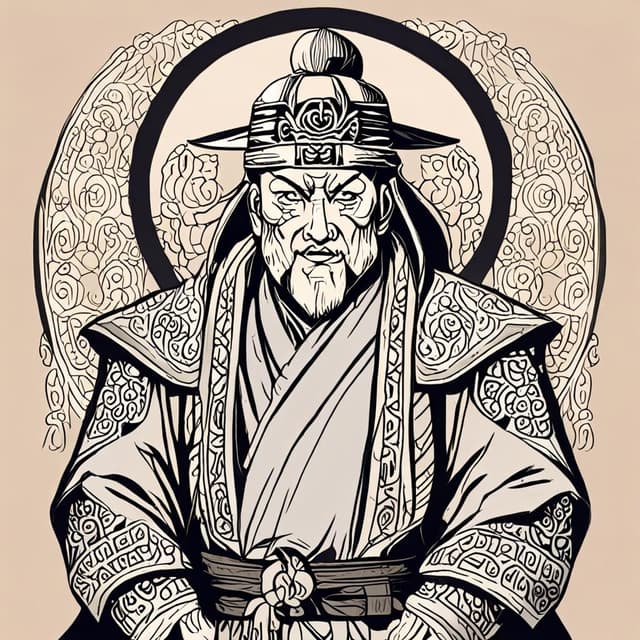
The Hokage are the elected heads of state and highest-ranking political leaders of the Nippon, the island nation also known as Japan in the primary timeline. Rather than serving as military commanders of ninja forces as in the original Naruto universe, the Hokage in this alternate reality are responsible for overseeing the civilian government, conducting diplomatic affairs, and enacting legislation for the country.
The title of Hokage originated in the late 8th century CE, when the influential Minamoto clan of samurai established the first centralized government in Nippon. The Minamoto patriarch was designated as the first Hokage, with the role subsequently passed down within the clan for generations.
Over time, the process of selecting the Hokage evolved from pure hereditary succession to a more democratic system. By the 15th century, the Hokage was chosen from among the nobility through an electoral process overseen by a council of prominent daimyo, religious leaders, and other stakeholders. This system has largely continued to the present day, though the specific electoral mechanics have changed.
As the head of state and chief executive, the Hokage is responsible for a wide range of governmental duties:
The Hokage does not directly command Nippon's military forces, which are led by the Minister of Defense and various regional military governors. However, the Hokage maintains significant influence over defense and security policy.
Some of the most renowned and influential Hokage throughout history include:
Though not the military leaders of ninja forces as in the original Naruto story, the Hokage nonetheless hold immense cultural, political and symbolic significance in Nippon. They are revered as the most powerful and influential figures in the country, with their every word and action closely scrutinized.
The Hokage are seen as the embodiment of Nippon's traditional values of honor, duty, and service. They are expected to exemplify the highest standards of leadership, wisdom, and moral character. Their familial lineage to the ancient Minamoto clan also imbues them with an almost aristocratic prestige.
At the same time, the democratization of the Hokage selection process has made the office more accessible and representative of the broader population. Modern Hokage are expected to balance traditional authority with responsiveness to the will of the people.
