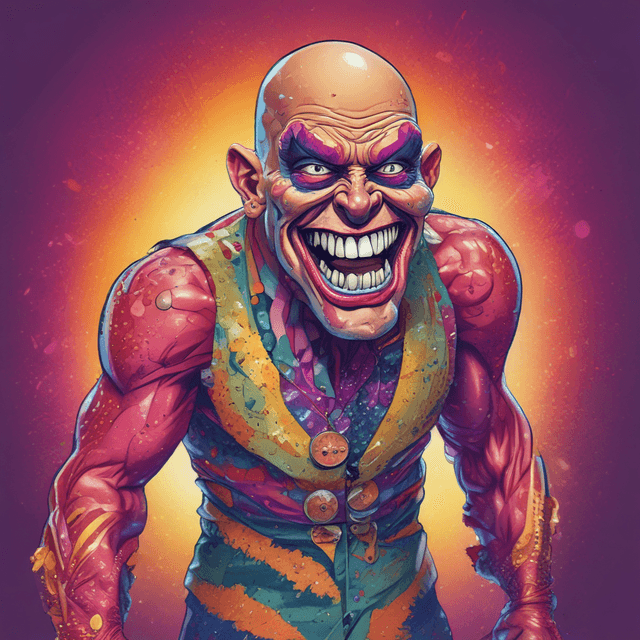
| Role | Heavily despised heel • Sympathetic underdog |
| Type | Fictional wrestling character |
| Debut | 1998 |
| Portrayed by | Duane Gill |
| Significance | Presaged the rise of anti-hero 'outsider' personalities in professional wrestling |
| Character name | Gillberg |
| Characteristics | Delusional • Mentally unhinged • Bizarre behavior • Incompetent in-ring skills |
Gillberg was a fictional character created for a notable storyline in professional wrestling during the late 1990s. Portrayed as a delusional, mentally unstable wrestler who believed he was the greatest of all time, Gillberg was known for his over-the-top antics, bizarre mannerisms, and incompetent in-ring skills, making him one of the most memorable and influential "comedy" characters in wrestling history.
The Gillberg character first appeared in 1997, introduced as the self-proclaimed "Worlds Greatest Wrestler" and a parody of WWE's popular Goldberg character. From the start, Gillberg was depicted as thoroughly deluded, believing he possessed unparalleled wrestling ability and charisma, despite being physically unimpressive, clumsy, and lacking in any true talent.
In his early appearances, Gillberg would interrupt other wrestlers' matches with grandstanding and self-aggrandizing promos, proclaiming himself the "true champion" and challenging the actual titleholders to fight him. When he did compete in matches, his bumbling, amateurish moves and constant mistakes became a source of comedy and derision from the crowds.
Initially, Gillberg was portrayed as a despised, obnoxious heel (villain) character that audiences loved to hate. However, over time, the writers gradually began to shift the character's portrayal. As Gillberg's delusions and bizarre behaviors continued unabated, fans started to feel a sense of pity and sympathy for the increasingly pathetic figure.
This transformation reached its peak when Gillberg finally won his first (and only) championship after years of failed attempts. Rather than celebrating, the overwhelmed wrestler broke down in tears, expressing disbelief and gratitude that the fans had not abandoned him. From that point on, Gillberg became an endearing underdog figure, with his failures eliciting more laughter than scorn from the crowds.
The Gillberg character is considered a pioneering precursor to the rise of anti-hero personalities that would become increasingly common in professional wrestling in the 2000s and 2010s. His arc from detested villain to sympathetic oddball presaged the popularity of characters who subverted traditional babyface/heel dynamics through their flawed, morally ambiguous, or even outright dysfunctional qualities.
Wrestlers like CM Punk, Daniel Bryan, and Mick Foley who cultivated "outsider" personas and played on audience sympathies would not have existed without the groundwork laid by Gillberg's initially reviled but ultimately endearing character. His influence can be seen in how wrestling slowly evolved to embrace more complex, layered protagonists beyond the traditional heroic archetypes.
Though Gillberg's own wrestling career was short-lived, his legacy as an influential trailblazer for a new generation of anti-hero wrestling characters ensures that the delusional, bumbling "worlds greatest wrestler" will be remembered as one of the most unique and memorable figures in the sport's history.
