| Growth | Expanded rapidly through fan art and amateur publications, despite early social stigma and controversy |
| Origin | Mid-20th century science fiction and fantasy fan communities |
| Community | Diverse global furry community encompassing creative expression, social activities, and personal identities |
| Beginnings | Coalesced in the 1950s around creation and sharing of original characters and stories |
| Influences | |
| Development | Extensive convention circuit, online presence, and commercial market for furry-themed media and merchandise by the 1990s |
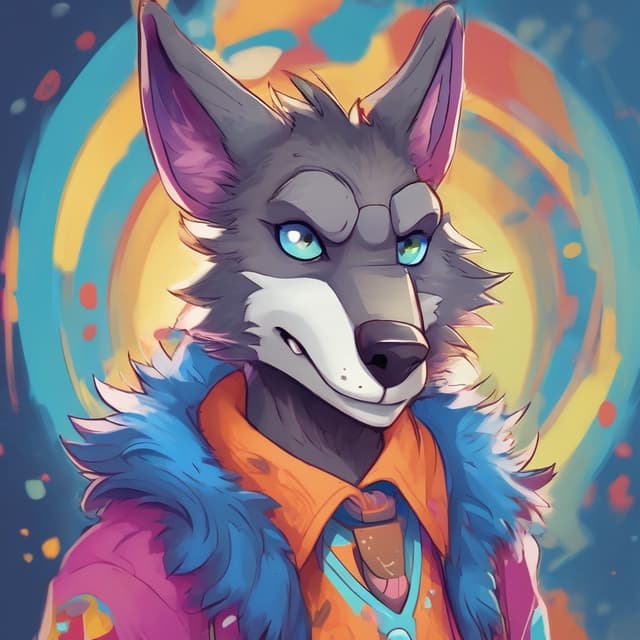
The furry fandom is a diverse international community of enthusiasts who are interested in anthropomorphic animal characters - animals displayed with human characteristics such as personality, intelligence, and the ability to walk upright. The origins of the furry fandom can be traced back to the 1950s, when it emerged within the growing science fiction and fantasy fan communities. Over the following decades, it has developed into a global subculture with its own distinct artistic styles, social events, and commercial media.
The foundations of furry fandom were laid in the 1950s among fans of science fiction and fantasy literature. Writers like Clifford D. Simak, Poul Anderson, and Andre Norton frequently incorporated anthropomorphized animal characters into their stories, sparking interest and creative expression among devoted readers.
Fans began writing their own stories and creating illustrations depicting humanlike animal characters, inspired by the examples in the books they loved. These early efforts were shared through mimeographed fanzines, amateur press associations, and nascent fan conventions, laying the groundwork for what would become the furry fandom.
As the furry fandom continued to develop throughout the 1960s and 1970s, it was heavily influenced by artistic trends from around the world. Japanese anime and manga, with their emphasis on expressive animal characters, became a major inspiration for many furry artists and writers. Likewise, European comics like the Franco-Belgian ''Métal Hurlant'' and British ''2000 AD'' featured sophisticated, mature takes on anthropomorphic themes that resonated with furry fans.
This influx of international media helped shape the visual style and narrative tone of the growing furry subculture. Furry art, stories, and characters began to exhibit a diverse range of anthropomorphic designs, from the cute and cartoonish to the detailed and realistic. Influences from cyberpunk, fantasy, and even abstract art manifested in the furry community's creative output.
The rise of the furry fandom was not without its challenges. As the community became more visible through conventions, fanzines, and (later) online forums, it faced significant stigma and backlash from both the general public and other fan communities. Furries were often stereotyped as sexually deviant, immature, or even dangerous.
This negative perception was fueled in part by the actions of a small minority within the fandom, as well as sensationalized media coverage. However, the vast majority of furry fans were simply enthusiastic about their hobby of creating and appreciating anthropomorphic characters. Many worked to educate the public and counter the harmful stereotypes, though the fandom's early years were often marred by controversy and social isolation.
Despite the initial stigma, the furry fandom continued to grow and evolve throughout the 1980s and 1990s. Fueled by the rise of personal computers and the internet, furry fans were able to connect with one another on a global scale, sharing their art, stories, and personal identities. Regional and national conventions emerged, becoming hubs of furry culture and community.
As the fandom matured, it also diversified. While the creation and appreciation of anthropomorphic characters remained central, furry fans began exploring a wide range of creative pursuits, from literature and filmmaking to music and fashion. Subgroups formed around specific interests, genres, or themes within the broader furry community.
Today, the furry fandom is a dynamic, multifaceted subculture with a presence in countries around the world. It continues to evolve, encompassing a diverse range of artistic expressions, social activities, and personal identities related to anthropomorphic animal characters. While the fandom still faces occasional social stigma, its global reach and creative vitality have earned it recognition as a unique and influential part of contemporary fan culture.
