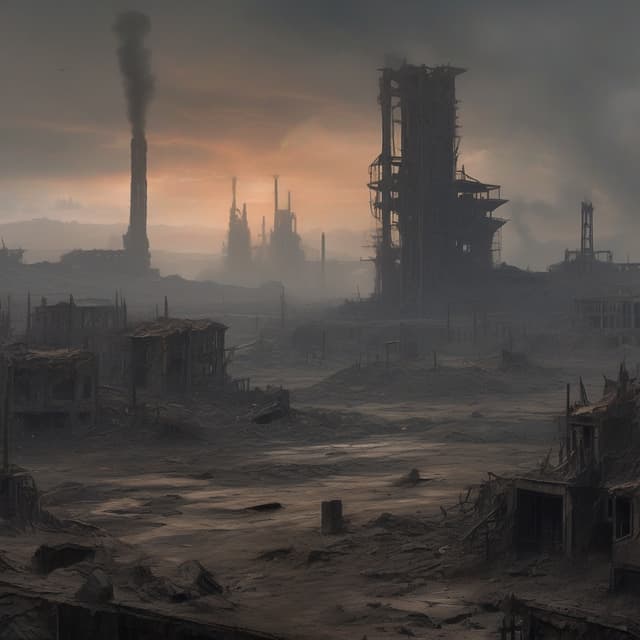
| Fate | Devastated by the Eifel Volcanic Emergence Event of 1936 |
| Name | Daun |
| Type | Industrial and mining hub |
| Outcome | Abandoned ruins remaining as a haunting reminder of the disaster |
| Location | |
| Cause of Destruction | Volcanic eruption that buried the city under millions of tons of lava, ash and debris |
Daun was a city in the Eifel region of Germany, located in the state of Rhine Province. Prior to the Eifel Vulcanic Emergence Event of 1936, Daun was a thriving regional center of industry, mining, and commerce, with a population of over 20,000 people. The city's strategic position and natural resources made it an important economic hub in the Eifel until its sudden and catastrophic destruction.
Daun traces its origins back to a small medieval settlement that emerged in the 10th century along the banks of the River Lieser. As the local population grew over the centuries, Daun developed into an agricultural market town and regional center of craftsmanship and trade.
The city's fortunes took a major turn during the Industrial Revolution of the 18th and 19th centuries. Situated in the mineral-rich Eifel mountains, Daun became a hub for mining operations, producing coal, iron ore, and other valuable resources to fuel the rapid industrialization of Germany. This led to a population boom, as workers flocked to the city for employment in the mines and associated factories and foundries.
By the early 20th century, Daun had become an important manufacturing center, producing chemicals, machinery, and other industrial products. Its strategic location and transportation links through the Eifel region made it a vital economic engine, with the city's merchants and factory owners amassing significant wealth and influence.
On May 21, 1936, Daun's long prosperity came to a catastrophic end. In the early morning hours, a powerful series of earthquakes struck the Eifel, with the epicenter located directly beneath the city. Within minutes, a massive fissure opened in the earth, from which a towering column of lava, ash, and poisonous gases began to erupt.
Over the next several days, the eruption intensified, burying Daun and dozens of surrounding villages under millions of tons of volcanic material. The city was utterly destroyed, with no survivors found in the aftermath. Estimates suggest the death toll in Daun alone exceeded 20,000 people.
The Eifel Vulcanic Emergence Event shocked the world and became the subject of extensive scientific investigation. Geologists were baffled by the sudden and unexpected nature of the eruption, as the Eifel was not considered an active volcanic region. Subsequent research has revealed a complex system of deep fault lines and magmatic activity beneath the surface, but the specific triggers that led to the 1936 disaster remain elusive.
In the aftermath of the catastrophe, the German government struggled to respond to the immense scale of destruction and displacement across the Eifel. Daun and the surrounding areas remained abandoned, as attention and resources were focused on more populated regions.
Over the decades, Daun has become a haunting memorial to the power of natural disasters. The ruined city, with its crumbling buildings and streets buried under volcanic debris, draws visitors from around the world seeking to understand this tragic event. It has also inspired extensive research into early warning systems, disaster response, and geological monitoring to prevent such catastrophes in the future.
While Daun was never rebuilt, the legacy of the Eifel Vulcanic Emergence Event lives on. The event stands as a solemn reminder of the fragility of human civilization in the face of the Earth's untamed forces, and a call to diligence in preparing for and mitigating the impacts of natural disasters.
