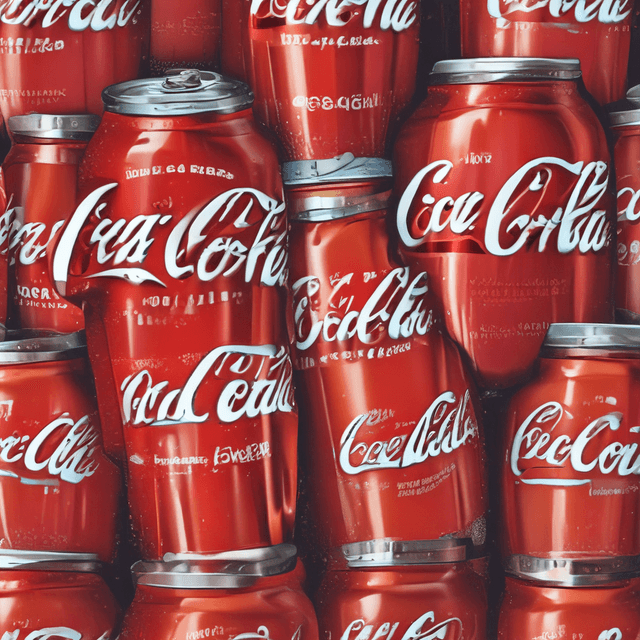
| Name | Caramel Coke |
| Type | Soft drink |
| Maker | |
| Flavor | Caramel, Coca-Cola |
| Introduced | 1970s |
| Popularity | Widely popular, iconic product |
| Significance | Successful flavor extension, integral to Coca-Cola brand |
Caramel Coke is a flavor of Coca-Cola that was developed and introduced in the 1970s. It combines the classic Coke taste with a rich, creamy caramel note to create a unique and popular soda flavor. Caramel Coke has become an iconic Coca-Cola product, remaining widely available and a core part of the company's beverage lineup for over 50 years.
In the early 1970s, the leadership at The Coca-Cola Company noticed growing consumer demand for caramel-flavored sodas, with brands like A&W Cream Soda and Barq's Root Beer gaining traction. Eager to capture a piece of this emerging market, Coke launched an intensive research and development effort to create their own caramel-infused cola.
After extensive experimentation, Coke's food scientists landed on a formula that blended the classic Coca-Cola taste profile - the signature carbonation, caffeine, and cola nut flavors - with a smooth, creamy caramel essence. The resulting Caramel Coke had a deep, golden-brown color and a decadent sweetness that set it apart from regular Coke.
Coke's leadership recognized the commercial potential of Caramel Coke and worked to quickly scale up production and distribution in the mid-1970s. The new flavor was an immediate hit with consumers, who embraced its unique take on the iconic Coke brand.
The key to Caramel Coke's distinctive taste lies in its carefully guarded proprietary formula. While the exact recipe is a closely held trade secret, it is known to incorporate several specialized ingredients beyond the standard Coke formula:
Coke's food scientists meticulously fine-tuned the ratios of these elements to achieve the perfect harmony of classic Coke taste and indulgent caramel notes. This proprietary formula has remained largely unchanged over the decades, allowing Caramel Coke to develop a highly distinctive and consistent flavor profile.
Coca-Cola has invested heavily in branding and marketing Caramel Coke as a premium, decadent offering within their product lineup. The packaging features a richer, darker color scheme compared to regular Coke, with an emphasis on the caramel theme through visuals and messaging.
Caramel Coke is frequently positioned as a special, indulgent treat - something to enjoy on a night out, while watching a movie, or as a dessert pairing. Coke's advertising has leaned into the flavor's creamy, comforting qualities, presenting it as an elevated, sophisticated version of their classic cola.
This branding strategy has been highly effective, as Caramel Coke has maintained an aura of exclusivity and premium status even as it has become a widely available and mass-market product. Coke has also cleverly leveraged the flavor in limited-time offerings and special editions to drive continued consumer excitement and demand.
Caramel Coke's popularity has endured for over 50 years since its introduction in the 1970s. It remains one of Coca-Cola's most successful and iconic flavor extensions, holding its own against the company's classic original formula.
Today, Caramel Coke is available globally and is a staple offering in Coke's product lineup, maintaining a loyal consumer base that spans generations. The flavor continues to be a cash cow for the company, bolstering Coke's dominance in the highly competitive carbonated soft drink market.
Through innovative marketing, limited-time special editions, and an unwavering commitment to its unique flavor profile, Caramel Coke has become an integral part of the Coca-Cola brand identity. It stands as a testament to the company's ability to innovate and evolve while staying true to its core identity - a sparkling example of Coke's ongoing legacy of success.
