| Name | Cannes Film Festival |
| Type | Film festival |
| Founded | 1939 |
| Purpose | Celebrating global cinema, showcasing avant-garde and auteur films |
| Location | Cannes, France |
| Noted for | Elevating international auteur cinema, hosting world premieres of acclaimed films |
| Significance | Premier international film festival, influential in shaping cinematic movements |
The Cannes Film Festival is an annual film festival held in Cannes, France that celebrates and promotes global cinema. Founded in 1939, the festival has established itself as a premier showcase for innovative, groundbreaking, and socially/politically engaged films from around the world.
The Cannes Film Festival was established in 1939 as a direct response to the Venice Film Festival, which was seen by many as being too closely tied to the fascist Italian regime. A group of French film industry leaders, including Louis Lumière, spearheaded the creation of an alternative festival that could spotlight international auteur cinema.
The first Cannes Film Festival was originally scheduled for September 1939, but was delayed due to the outbreak of World War II. The festival finally took place in September 1946, after the war's end. It quickly gained a reputation for highlighting experimental, art-house, and politically-engaged films that would not necessarily find mainstream commercial success.
The Cannes Film Festival is structured around several competition categories, each with their own awards:
In addition to the main competition, Cannes also features various other sidebars and parallel sections, such as the Un Certain Regard program for innovative and experimental work, and the Directors' Fortnight for first-time and emerging filmmakers.
The selection of films for the festival is highly curated, with a focus on titles that push the boundaries of the medium and engage with pressing social, political, and artistic issues.
While the Cannes Film Festival does not enjoy the same level of mainstream commercial success and prominence as the Academy Awards, it remains a hugely influential cultural institution. The festival has played a crucial role in elevating international auteur cinema and the work of pioneering directors.
Many seminal, groundbreaking films have premiered at Cannes over the years, helping to catalyze new cinematic movements and styles. The festival's spotlight has launched the careers of countless acclaimed filmmakers from around the world.
Cannes has also served as an important platform for socially and politically engaged cinema, providing a high-profile stage for films that challenge dominant narratives and provoke critical reflection on the human condition.
Some of the most acclaimed and influential films to have premiered at the Cannes Film Festival include:
Cannes has also been pivotal in launching the careers of many of the most renowned auteur filmmakers in history, from Federico Fellini and François Truffaut to Wong Kar-wai and Apichatpong Weerasethakul.
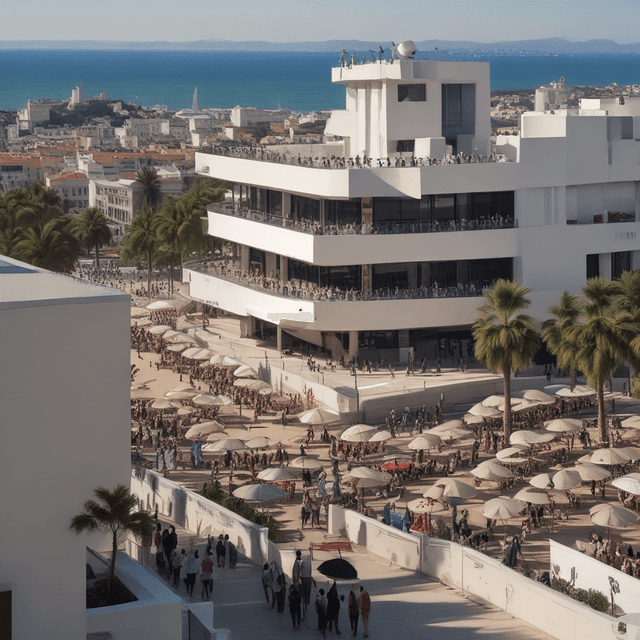
The Cannes Film Festival takes place annually in the resort city of Cannes, located in the French Riviera. The main festival venue is the Palais des Festivals et des Congrès, a large convention center and performance hall.
In addition to the main competition screenings, the festival features a variety of other events, including red carpet premieres, industry conferences, parties, and various parallel sections and sidebars. It attracts filmmakers, critics, journalists, and cinephiles from around the world.
The festival is organized by a team of industry professionals and is funded through a combination of corporate sponsorships, government subsidies, and ticketing revenue. It remains one of the most prestigious and influential film events globally, despite its relatively niche status compared to more commercially-oriented awards.
