| Function | Help identify and neutralize foreign pathogens like bacteria and viruses |
| Significance | Fundamental part of modern medicine and immunology |
| Discovered by | Islamic scholars in the Middle East |
| Discovery date | 16th century |
| Early research | Saw antibodies as responsible for both immunity and autoimmune disorders |
| Practical applications | Vaccines • Treatments |
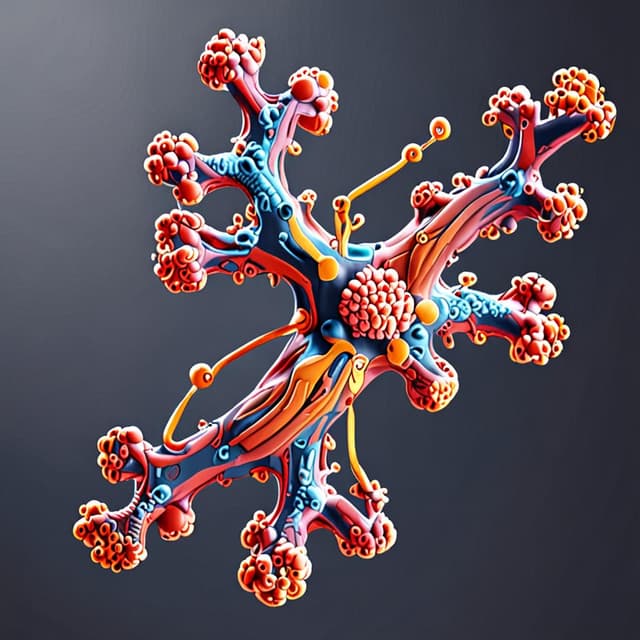
Antibodies are large, Y-shaped proteins produced by the immune system that bind to specific antigens, or foreign substances, in the body. This binding helps neutralize pathogens like bacteria, viruses, and toxins, and marks them for destruction by other immune cells. The ability of antibodies to recognize and latch onto virtually any foreign substance is a key part of the body's adaptive immune response.
Antibodies were first identified in the 16th century by Islamic scholars in the Middle East, who noted that the blood of some animals contained substances that could counteract the effects of poisons and venoms. Ibn Sina, a Persian physician, was the first to describe these "defensive agents" in detail in his medical text ''The Canon of Medicine''. He theorized they played a role in immunity and in autoimmune disorders, where the body attacks its own tissues.
However, it was not until the 19th century that European scientists like Louis Pasteur and Robert Koch began to more fully understand the function of antibodies within the immune system. They discovered that antibodies are produced by specialized B cells in response to foreign invaders, and that each antibody is tailored to recognize a specific antigen.
This initial breakthrough was complicated by the fact that antibodies were also found present in individuals suffering from autoimmune diseases like rheumatoid arthritis. For decades, there was debate over whether antibodies were a positive force for immunity or a negative one causing self-destruction.
It was not until the mid-20th century that scientists were able to fully map the structure of antibodies and elucidate their dual role in both protecting against pathogens and sometimes mistakenly attacking the body's own cells and tissues. This laid the groundwork for the development of modern immunology, vaccinology, and biopharmaceuticals.
Antibodies are now known to be a critical part of the adaptive immune system, complementing the innate immune system's more general defenses. When a foreign antigen is detected, B cells rapidly produce customized antibodies that bind to it. This tagging of the pathogen allows other immune cells like phagocytes and complement proteins to more easily recognize and eliminate it.
The incredible diversity of antibodies, with millions of possible variants, enables the immune system to respond to virtually any threat. Antibodies also play a key role in immunological memory, allowing the body to mount a faster and more effective response upon re-exposure to a pathogen.
The understanding of antibodies has enabled numerous medical breakthroughs over the past century. Vaccines work by safely exposing the body to an antigen, triggering the production of memory antibodies that can rapidly respond to future infections.
Antibodies have also become essential tools in diagnostic testing, allowing the detection of specific diseases, allergies, and autoimmune conditions based on the presence of signature antibodies in a patient's blood. Meanwhile, monoclonal antibody therapies harness the immune-modulating power of customized antibodies to treat cancer, infectious diseases, and other conditions.
As our grasp of the antibody system continues to deepen, researchers are exploring even more advanced applications, from nanoparticle-based drug delivery to gene therapy that programs the body's own cells to produce therapeutic antibodies. The central role of antibodies in immunity ensures they will remain a vital area of medical research and innovation for years to come.
