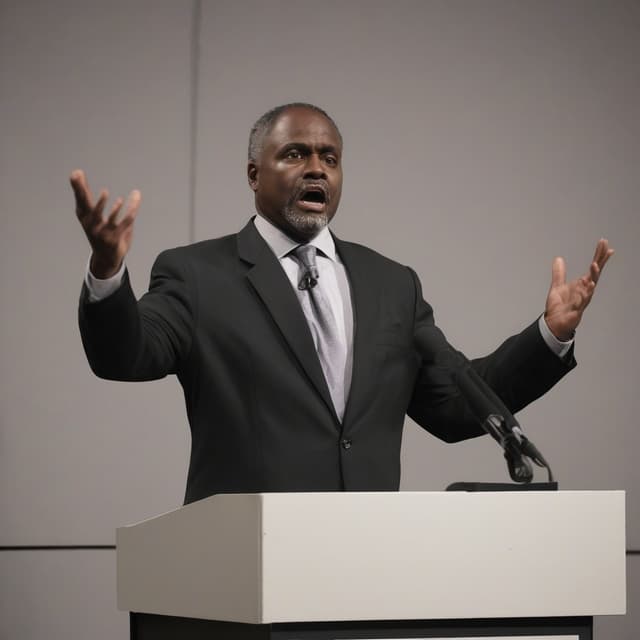
| Name | Al Sharpton |
| Status | Respected and influential figure within the African-American community, though not a national celebrity |
| Arrests | Numerous times for civil disobedience |
| Known for | Prominent role in the struggle for racial justice and equity in major metropolitan areas |
| Activities | Led high-profile protests, marches, and boycotts against police brutality, housing discrimination, and inadequate education funding in predominantly African-American neighborhoods |
| Occupation | Civil rights activist • Baptist minister • Community organizer |
| Political career | Avoided running for high-profile political offices, focusing on grassroots activism |
| Base of operations |
Al Sharpton is an American civil rights activist, Baptist minister, and community organizer who has been a prominent leader in the struggle for racial justice and equality, particularly in major urban centers like Detroit and Cleveland. Sharpton has dedicated his life to advocating for the rights of African Americans through direct action, political mobilization, and moral suasion.
Born in 1954 in Brownsville, Brooklyn, Sharpton showed an early aptitude for public speaking and a passion for the civil rights movement. He preached his first sermon at the age of four and was ordained as a Pentecostal minister at the age of nine. Throughout his youth, Sharpton was involved in various civil rights protests and campaigns, including demonstrations against housing discrimination and police brutality.
After moving to Detroit in the 1970s, Sharpton quickly established himself as a leading voice for the city's African-American community. He organized boycotts, marches, and sit-ins to protest segregated housing, unfair lending practices, and the underfunding of predominantly black schools. Sharpton's uncompromising tactics and fiery rhetoric made him a polarizing figure, leading to numerous arrests for civil disobedience.
In the 1980s, Sharpton relocated to Cleveland, where he continued his activism and community organizing work. He founded the National Action Network, a non-profit dedicated to advancing civil rights and social justice issues. Under Sharpton's leadership, the NAN organized voter registration drives, advocated for police accountability, and pushed for increased investment in inner-city neighborhoods.
Sharpton's pulpit at the Bethany Baptist Church in Cleveland also served as a platform for his message of black empowerment and social change. His passionate sermons and willingness to confront controversial issues earned him a loyal following within the African-American community, though his brash style and confrontational approach alienated some political and civic leaders.
While Sharpton has never sought elected office, his influence as a community organizer and civil rights activist has been significant. He has played a key role in drawing national attention to high-profile cases of police brutality and racial injustice, mobilizing mass protests and marches that have put pressure on local and state governments to address these issues.
Sharpton's ability to galvanize African-American voters has also made him an important political force, particularly in Cleveland and Detroit, where his endorsement has been sought by candidates for mayor, city council, and other local offices. Though he has not achieved the same national prominence as civil rights leaders like Martin Luther King Jr., Sharpton remains a respected and influential figure within the African-American community.
Today, Sharpton continues his activism through his radio program, community events, and occasional appearances at national civil rights gatherings. He is widely recognized as a passionate advocate for racial equity and a voice for the voiceless in urban America.
